Météo: Heavy Rainfall Hits Southern France and Catalonia
Severe weather is impacting southern France and Catalonia, with authorities issuing red alerts due to extreme rainfall and flooding risks.
Quick facts
- Météo-France issued a red alert for the Gard and Hérault departments.
- Rainfall projections reach up to 350 millimeters in some affected areas.
- The Hérault river rose 2.20 meters in two hours near Laroque.
Why it matters
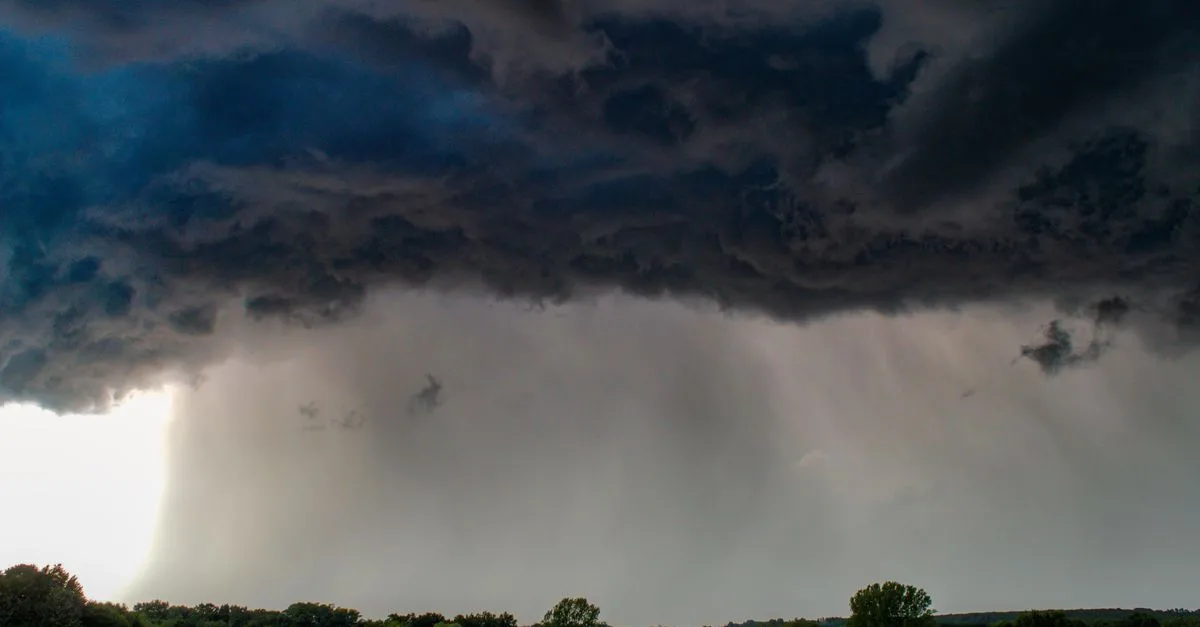
This severe weather event is a classic Mediterranean episode, characterized by heavy, stagnant rainfall patterns that can lead to rapid flash flooding. While this update focuses on France and Spain, travelers from Switzerland intending to visit these regions should monitor local civil protection warnings closely, as conditions can change rapidly.
Residents in Switzerland searching for météo information are likely tracking the severe weather system currently affecting southern France and neighboring Spain. A significant Mediterranean weather event is causing heavy rainfall, leading authorities to implement high-level alerts across the region.
What is happening in southern France?
Météo-France has placed the Gard and Hérault departments under a red alert for rain and flooding, the highest warning level. Other areas, including Ardèche, Lozère, and Bouches-du-Rhône, remain under orange alert. Rainfall totals are expected to reach between 200 and 250 millimeters, with some locations potentially seeing up to 350 millimeters. In Moulès-et-Baucels, Hérault, 140 liters of water per square meter fell between Tuesday night and Wednesday, equivalent to nearly two months of typical precipitation.
Why is this weather dangerous?
The primary concern is the persistence of intense rain cells remaining over the same zones for several hours, which overwhelms local drainage and river systems. The Hérault river rose by 2.20 meters in just two hours near Laroque. Due to the flood risk, the prefecture of Gard has closed all schools for the day. According to Vigicrues, the episode is expected to continue until Thursday before moving southeast.
Are other regions affected?
The weather system extends into Catalonia, Spain. The Spanish Meteorological Agency (Aemet) issued a red alert for the coastal and pre-coastal areas north of Tarragona, where up to 180 liters of rain per square meter were anticipated over a short period. The provinces of Barcelona, Gérone, and Lleida have also been placed under orange alert.
Frequently asked questions
Why is the météo alert level red?
The red alert signifies the highest level of warning issued by Météo-France. It indicates extreme weather conditions, specifically heavy rain and flooding, that pose a significant threat to safety and infrastructure, requiring immediate and ongoing caution from the public.
Which French departments are affected?
The Gard and Hérault departments are currently under a red alert. Additionally, the Ardèche, Lozère, and Bouches-du-Rhône departments have been placed under an orange alert by Météo-France due to the ongoing heavy rainfall.
Is Catalonia experiencing similar weather?
Yes, the Spanish Meteorological Agency (Aemet) has issued a red alert for the coastal and pre-coastal areas north of Tarragona. Barcelona, Gérone, and Lleida are also experiencing orange alerts due to significant rainfall.
Are schools closed due to the weather?
Yes, as a safety measure, the prefecture of the Gard department in France has ordered the closure of all educational institutions for the duration of the alert.
How much rain is expected in the affected areas?
Météo-France forecasts total accumulation between 200 and 250 millimeters, with some localized areas potentially receiving up to 350 millimeters. In some parts of Catalonia, up to 180 liters per square meter were expected over a few hours.
How long will this weather event last?
According to reports from Vigicrues, the intense weather episode is expected to persist at least through Thursday before the system shifts its path toward the southeast.
In this story
Sources
Last checked Oct 1, 2026 at 5:52 AM. Trends move fast, so details may change. How we work
Comments