Cat Food Investigation Reveals Presence of Heavy Metals
A new investigation by the Clean Label Project reports that nearly all tested cat food products contain traces of heavy metals, plastic contaminants, and glyphosate.
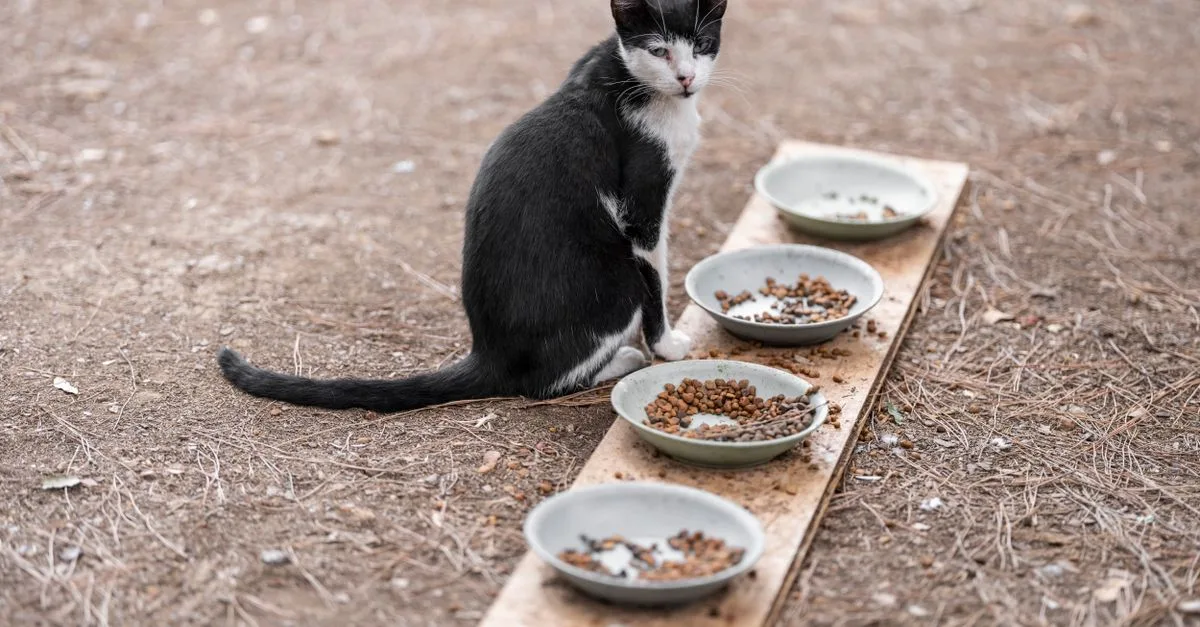
Quick facts
- The Clean Label Project found heavy metals, plastic contaminants, and glyphosate in nearly all tested cat foods.
- Tested products included wet, dry, air-dried, and freeze-dried varieties.
- The analysis included products marketed as natural and nutritionally superior.
Why it matters
The trending interest reflects growing consumer anxiety regarding pet food safety and the perceived lack of transparency in the pet food industry. While the report provides data on the presence of contaminants, it does not confirm specific health outcomes for individual pets or name the brands involved, leaving many owners seeking further clarification on which products are safe for daily consumption.
A recent investigation has raised concerns regarding the contents of various cat food products available to consumers. According to a report by the Clean Label Project, nearly all tested samples contained heavy metals such as lead, mercury, and arsenic, alongside plastic contaminants and the herbicide glyphosate.
What did the investigation find?
The analysis, which examined wet, dry, and air- or freeze-dried products, found that toxins were present across all types of cat food. The report indicates that even products labeled as natural or nutritionally superior were not exempt from these findings. Molly Hamilton, executive director of the Clean Label Project, stated that these contaminants represent an ongoing exposure that may accumulate in a cat's body over its lifetime.
Why is this trending?
Pet owners are increasingly searching for information on cat food safety as they prioritize high-quality ingredients for their animals. The report highlights a disconnect between consumer expectations—often driven by premium pricing and marketing—and the actual chemical composition of the food. The investigation notes that because cats often eat the same food daily with little variation, the potential for long-term accumulation of these substances is a concern.
What are the health implications?
The report suggests that chronic kidney disease, a frequent cause of death in older cats, could be linked to the accumulation of heavy metals, as the kidneys are responsible for filtering these substances. While the study focused on cats, the organization previously released a similar assessment of dog food in February, which reported higher concentrations of heavy metals compared to human food. Specific details regarding the impact on individual pet health or specific brand names were not available at the time of writing.
Frequently asked questions
What toxins were found in cat food?
The investigation by the Clean Label Project identified heavy metals, including lead, mercury, and arsenic. Additionally, researchers found plastic contaminants and the herbicide glyphosate in the tested samples.
Are natural cat foods safer?
According to the report, products labeled as natural or nutritionally superior contained the same types of contaminants as standard products. The findings suggest that higher price points or marketing claims do not guarantee the absence of these substances.
Why is this a concern for cats?
Because cats typically eat the same diet daily, they may be exposed to these contaminants consistently. The report notes this exposure could accumulate over a lifetime, potentially affecting organ health, such as the kidneys.
What types of cat food were tested?
The investigation included a wide range of cat food formats, specifically covering wet, dry, air-dried, and freeze-dried products.
Who conducted the investigation?
The study was conducted by the Clean Label Project, a Colorado-based nonprofit organization that focuses on testing consumer products for various contaminants and providing certifications for those meeting their specific safety standards.
What should cat owners do?
The report does not provide specific brand recommendations or recall notices. Owners concerned about their pet's diet are encouraged to consult with a veterinarian regarding nutritional choices and any symptoms of illness.
In this story
Sources
Last checked Oct 3, 2026 at 1:00 AM. Trends move fast, so details may change. How we work
Comments