Danyang County Expands Happy Taxi Service for Rural Residents
Danyang County has expanded its 'Happy Taxi' service to 41 villages, lowering eligibility requirements to improve transportation access for rural residents.
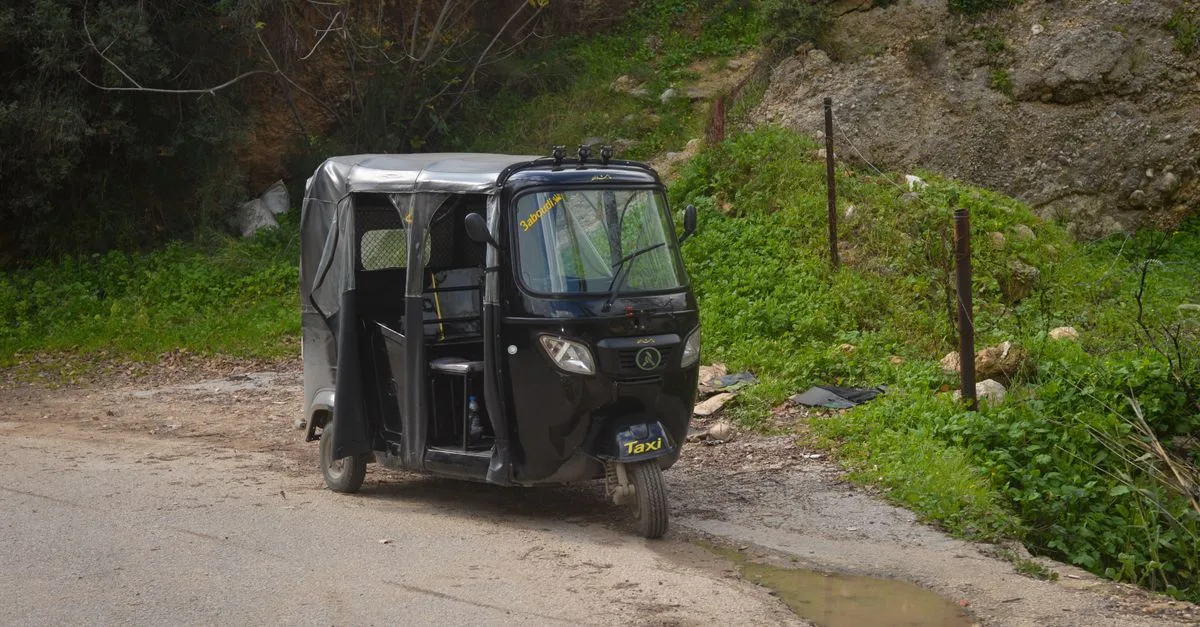
Quick facts
- Danyang County expanded the service from 35 to 41 villages.
- Eligibility changed from 700m to 500m distance from a bus stop.
- Standard fare is 1,500 KRW per person, with a 1,000 KRW rate for students or groups.
Why it matters
This trend highlights the ongoing challenge of rural depopulation and accessibility in South Korea. By lowering the distance criteria for public welfare transport, Danyang County is attempting to mitigate the isolation of residents in mountainous regions. Similar 'Happy Taxi' or 'Happy Call' systems are being implemented in various municipalities to supplement traditional public transit that often lacks frequency in rural zones.
Danyang County has expanded its 'Happy Taxi' transportation program to 41 villages, up from the previous 35, to improve mobility for residents in remote areas. As of October 17, 2026, the local government has adjusted its eligibility criteria to ensure better access to essential services like traditional markets and town centers.
What changed in the service?
The county lowered the distance threshold for qualifying villages. Previously, a village had to be at least 700 meters away from the nearest bus stop to be eligible. That requirement has been reduced to 500 meters, allowing six additional villages to join the program. These include locations such as Janghyeon-ri Munangol and Yeongcheon-ri in Maepo-eup.
How does the Happy Taxi operate?
The service is designed for residents living in areas where rural buses do not operate or are difficult to access. Eligible residents can call a private taxi to travel to the nearest town center or market between 7:00 a.m. and 9:00 p.m. The service is limited to two one-way trips per day.
| Category | Details |
|---|---|
| Total Villages | 41 |
| Standard Fare | 1,500 KRW |
| Discounted Fare | 1,000 KRW (Students/Groups) |
| Operating Hours | 07:00 - 21:00 |
Why this is trending in South Korea
The expansion is part of a broader push by local governments in South Korea to address transportation gaps in aging, rural populations. While Danyang's specific update is trending due to local interest in improved welfare, it reflects a national focus on regional development and mobility equity.
What is confirmed and what is not
It is confirmed that the new policy and expanded coverage took effect on October 1, 2026. Data regarding total registered users (778 as of late September) and cumulative annual rides (30,152) is confirmed via local government reporting. Future expansion plans for other regions remain unconfirmed at this time.
Frequently asked questions
What is the Happy Taxi service?
Happy Taxi is a transportation welfare program in Danyang County, South Korea. It allows residents in remote areas where buses are scarce to call private taxis to travel to town centers or markets at a subsidized rate.
How much does the service cost?
The standard fare is 1,500 KRW per person per trip. If the passenger is a student or if two or more people travel together, the fare is reduced to 1,000 KRW per person.
Who is eligible for the service?
Residents living in designated villages that are at least 500 meters away from the nearest bus stop are eligible. The county recently adjusted this distance from 700 meters to 500 meters to increase the number of qualifying villages.
What are the operating hours?
The service operates daily from 7:00 a.m. to 9:00 p.m. Residents are permitted to use the service for up to two one-way trips per day.
How many villages are currently included?
As of October 2026, the service has been expanded to cover 41 villages in Danyang County, following the recent inclusion of six additional areas based on the revised distance criteria.
Is this service available nationwide?
No, this specific expansion is limited to Danyang County. While similar programs exist in other regions of South Korea under different local names, the eligibility and operational details are determined by individual local governments.
In this story
Sources
Trend snapshot
- Topic
- Lifestyle
- Trending in
- South Korea
- Search interest
- 1000+ recent searches
- Status
- Verified: 3 independent outlets
- Last updated
- Oct 17, 2026 at 4:30 PM
Last checked Oct 17, 2026 at 4:30 PM. Trends move fast, so details may change. How we work · How we verify
Comments