Why Guam Flights Are Empty: Travel Trends in South Korea
South Korean airlines face challenges maintaining seat requirements for Guam routes as demand drops due to economic factors and infrastructure concerns.
Quick facts
- A 180-seat flight from Busan to Guam carried only 3 passengers in November of last year.
- Five South Korean airlines requested a reduction in mandatory seat supply from 90% to 70% of 2019 levels.
- The Korea Fair Trade Commission (KFTC) has preliminarily rejected the request to lower seat supply obligations.
Why it matters
The situation reflects the broader impact of economic pressures, such as the weakened won and inflation, on South Korean international travel habits. The KFTC's strict stance on maintaining seat supply quotas highlights the regulatory complexities following the merger of major domestic carriers, which aimed to protect competition at the potential expense of airline operational flexibility during market downturns.
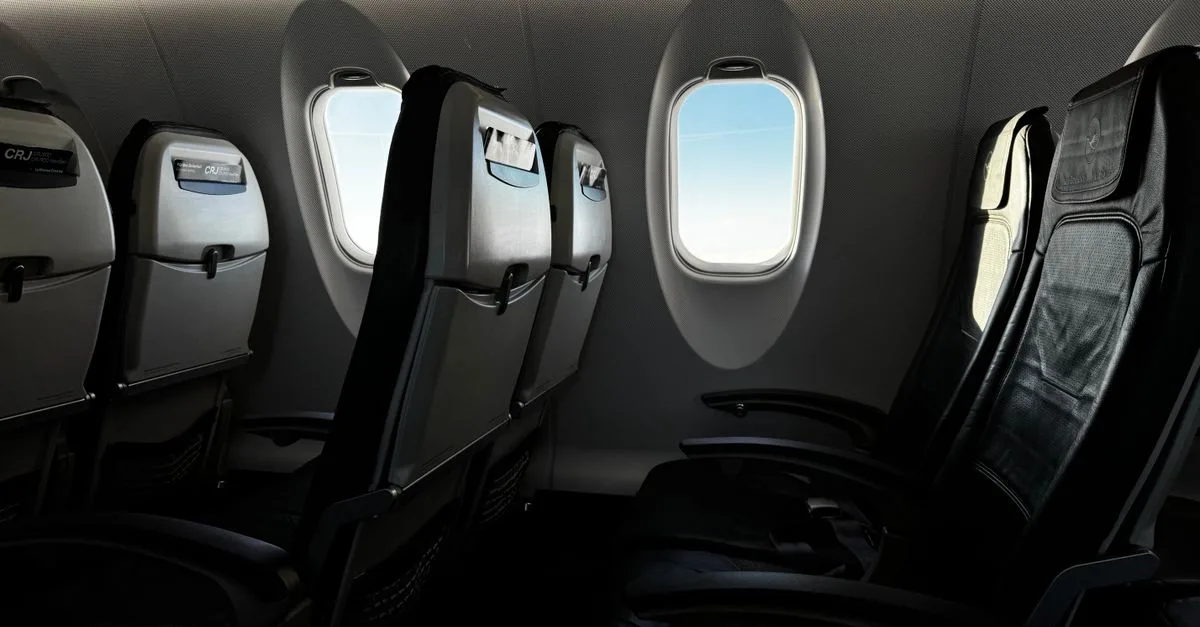
Travel patterns between South Korea and Guam are shifting, with airlines reporting significantly lower passenger numbers on routes that were once popular for honeymoons. According to reports, some flights have operated with nearly empty cabins, leading to the nickname 'nukonomy'—a play on words suggesting passengers can lie down across empty rows.
Why is travel to Guam trending?
The search term '여행' (travel) has surged in South Korea as the public reacts to news regarding the state of flights to Guam. Recent reports highlight a notable decline in demand, attributed to a combination of rising exchange rates and concerns over local tourism infrastructure in Guam. This has created a difficult situation for major carriers, including Korean Air, Jin Air, Asiana Airlines, Air Busan, and Air Seoul.
What is the current status of flight regulations?
The Korea Fair Trade Commission (KFTC) is currently reviewing requests from these five airlines to reduce their mandatory seat supply on Incheon-Guam and Busan-Guam routes. The airlines sought to lower their supply requirement from 90% of 2019 levels to 70%. However, according to the KFTC, the request was preliminarily rejected because the current market conditions were not considered a significant enough change from the criteria established when the merger conditions were finalized in December 2024.
What happens next for travelers?
The KFTC is set to hold a plenary session to finalize its decision on whether to impose sanctions or adjust the seat supply requirements. While the commission evaluates the situation, passengers may continue to experience varied seat availability on these routes. Additionally, the KFTC has indicated that it is reviewing concerns regarding seat supply compliance on the Cheongju-Jeju route for the period between December 2024 and the end of last year.
Frequently asked questions
Why are there so many empty seats on flights to Guam?
Demand for travel to Guam has declined significantly among South Korean tourists due to rising exchange rates and concerns regarding local tourism infrastructure, leading to lower passenger numbers on scheduled flights.
What is the 'nukonomy' trend?
The term is a slang expression used in the airline industry to describe flights where passenger demand is so low that travelers can lie down across multiple empty seats in the economy cabin.
Did the Fair Trade Commission approve the seat reduction?
No. The Korea Fair Trade Commission preliminarily rejected the request from five South Korean airlines to lower their mandatory seat supply obligations for Guam routes from 90% of 2019 levels to 70%.
Who is involved in the flight supply dispute?
The airlines involved include Korean Air, Asiana Airlines, Jin Air, Air Busan, and Air Seoul, all of which are subject to regulatory oversight by the Korea Fair Trade Commission regarding their route operations.
When were the seat supply requirements established?
The mandatory seat supply requirements were established as part of the conditions for the corporate merger between Korean Air and Asiana Airlines, which were finalized by the KFTC on December 24, 2024.
What happens next regarding the flight regulations?
The Korea Fair Trade Commission will conduct a plenary session to deliberate on the seat supply reduction request and determine if any sanctions or adjustments to the current compliance rules are necessary.
In this story
Sources
Last checked Oct 3, 2026 at 12:47 AM. Trends move fast, so details may change. How we work
Comments