South Korean Investors Shift Capital from Domestic to US Stocks
South Korean individual investors sold over 5 trillion won in domestic stocks in the third quarter while purchasing over 10 trillion won in US equities.
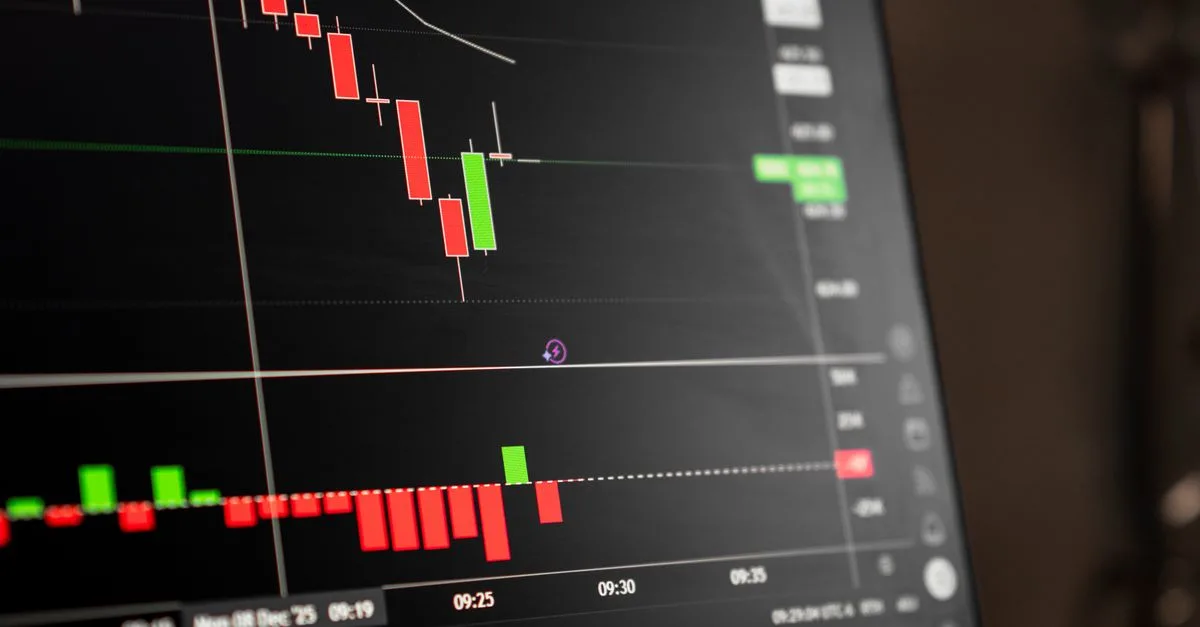
Quick facts
- Individual investors net sold 5.59 trillion won in KOSPI stocks during Q3 2026.
- Investors purchased 7.66 billion USD (approx. 10.29 trillion won) in US stocks in the same period.
- The KOSPI index declined from a high of 9114.55 on June 22 to 6625.93 by October 8.
Why it matters
The shift in investment behavior highlights the sensitivity of South Korean retail investors to currency fluctuations and global market performance. While the move toward US equities is significant, it reflects a broader trend of capital mobility where investors seek to mitigate risks associated with domestic market volatility. The impact of this capital outflow on the long-term liquidity of the KOSPI is a subject of ongoing observation by financial authorities.
Individual investors in South Korea significantly shifted their portfolios during the third quarter of 2026, moving away from the domestic market in favor of US equities. According to data from the Korea Exchange and the Korea Securities Depository, personal investors net sold 5.59 trillion won worth of stocks on the KOSPI market between July 1 and September 30.
Why is this trending in South Korea?
This trend reflects a growing preference for US markets among local investors, often referred to as 'Seohak Ants,' as they seek higher returns amid stagnant domestic performance. The shift is driven by the contrast between a range-bound local market and the growth of major US technology firms.
Market performance and investor behavior
The transition marks a reversal from the first half of 2026, when individual investors were net buyers of 99.17 trillion won in domestic stocks. In contrast, during the third quarter, these same investors poured 7.66 billion USD—approximately 10.29 trillion won—into the US market.
Market analysts point to several factors influencing this decision:
- Domestic Stagnation: The KOSPI index dropped from a peak of 9114.55 on June 22 to 6625.93 by October 8.
- US Market Growth: US indices have reached record highs, supported by the performance of major technology companies.
- Currency Trends: The won-dollar exchange rate has fallen to the mid-1300 won range, reducing the cost for South Korean investors to purchase US stocks compared to the first half of the year when the rate exceeded 1500 won.
What is confirmed and what is not
It is confirmed that individual investors net sold 5.59 trillion won in domestic stocks during the third quarter and net purchased 7.66 billion USD in US stocks. While the decline of the KOSPI and the strength of the US market are cited as primary drivers for this behavior, the long-term impact on the domestic financial sector remains to be seen as the data only covers the third quarter of 2026.
Frequently asked questions
How much did individual investors sell in the Korean stock market in Q3 2026?
According to the Korea Exchange, individual investors net sold a total of 5.59 trillion won in the KOSPI market during the third quarter, which spanned from July 1 to September 30, 2026.
How much did South Korean investors invest in US stocks during the same period?
South Korean individual investors, often called 'Seohak Ants,' purchased 7.66 billion USD worth of US stocks in the third quarter of 2026, which is approximately 10.29 trillion won.
Why are investors moving from domestic stocks to US stocks?
Investors are shifting due to the stagnant performance of the KOSPI index, which fell from its June peak, and the record-breaking growth of major US technology companies, combined with a more favorable won-dollar exchange rate.
What was the trend for individual investors in the first half of 2026?
In the first half of 2026, individual investors were net buyers in the domestic market, purchasing 99.17 trillion won in KOSPI stocks, a trend that reversed significantly in the third quarter.
How has the won-dollar exchange rate affected this investment shift?
The won-dollar exchange rate dropped from over 1500 won in the first half of the year to the mid-1300 won range in the third quarter, making it cheaper for South Korean investors to purchase US-denominated assets.
What is the current status of the KOSPI index?
As of October 8, 2026, the KOSPI index closed at 6625.93, having declined from its all-time high of 9114.55 recorded on June 22, 2026.
In this story
Sources
Trend snapshot
- Topic
- Business
- Trending in
- South Korea
- Search interest
- 10000+ recent searches
- Status
- Verified: 3 independent outlets
- Last updated
- Oct 11, 2026 at 4:16 PM
Peak: 10K+ searches, 5 days ago. Strongest in: South Korea (10K+).
Last checked Oct 11, 2026 at 5:00 PM. Trends move fast, so details may change. How we work · How we verify
Comments