South Korea Apple Prices Drop Significantly Following Chuseok
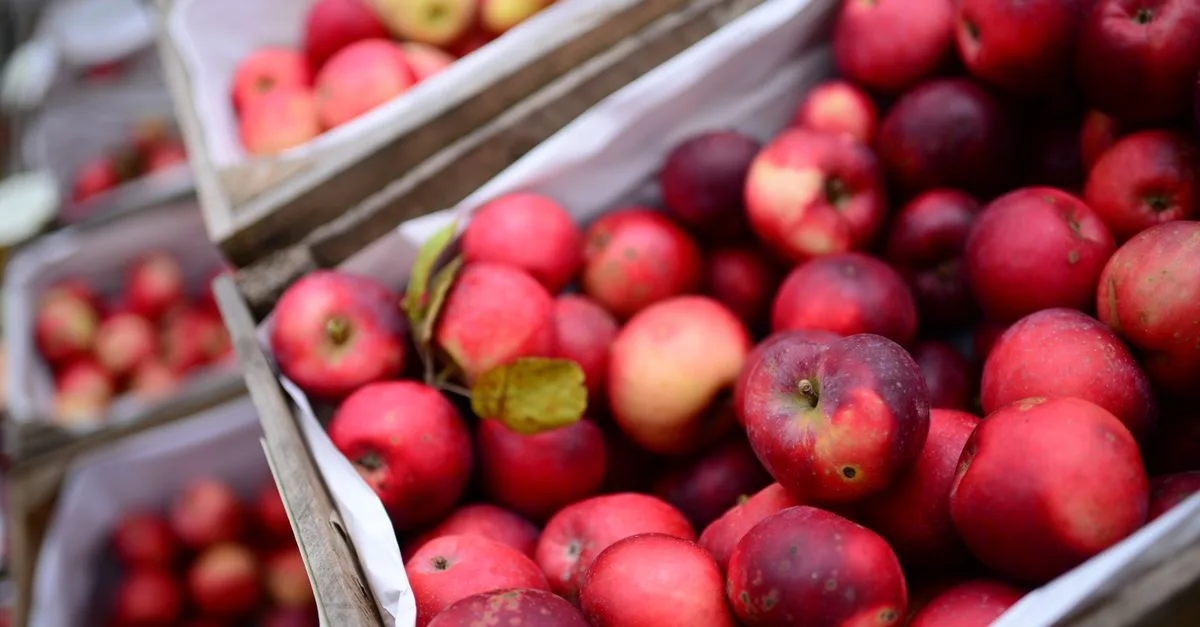
Apple prices in South Korea have dropped significantly compared to last year's Chuseok holiday due to increased supply.
Quick facts
- Average wholesale price for 5kg of apples fell to 34,882 won during the Chuseok period (Sept 21-24), down from 70,000 won last year.
- Apple wholesale prices at Garak Market dropped from 45,974 won to 34,882 won between mid-September and the holiday peak.
- E-mart reported a 45.5% increase in sales for sugar-content-sorted apples during pre-orders.
Why it matters
The data reflects a classic supply-side market adjustment where increased harvest yields effectively dampened holiday price inflation. The trend highlights a growing gap between retail price stability and the economic viability of small-scale farming, as producers struggle to offset rising logistics and labor expenses in a market increasingly dominated by value-conscious consumer behavior.
What happened to apple prices?
Apple prices in South Korea saw a significant decline during the recent Chuseok holiday period. Data from the Garak Market shows that the average wholesale price for a 5kg box of apples fell to 34,882 won during the peak holiday window of September 21–24. This figure is roughly half of the 70,000 won recorded during the same period last year.
Why is this trending in South Korea?
The search term 사과 (apple) is trending as consumers and farmers react to the stark contrast between improved retail affordability and the financial strain on agricultural producers. While shoppers benefited from lower prices, farmers faced challenges due to rising production costs and a lack of expected holiday price surges.
Market shifts and consumer behavior
The fruit market experienced a notable shift in consumer habits during the holiday. Retailers observed a move away from high-priced single items toward value-oriented and mixed-fruit gift sets. According to E-mart, pre-orders for sugar-content-sorted apples and apples from famous production regions rose by 45.5% and 37.1%, respectively. Meanwhile, SSG.com increased its supply of value-based gift sets by 18% to meet growing demand for cost-effective options.
What is confirmed and what is not
It is confirmed that wholesale prices for apples and pears dropped due to sufficient supply, despite some improvements in fruit quality for pears. However, the exact long-term impact on individual farm incomes remains a subject of concern for industry analysts, as production costs continue to rise while retail prices remain pressured by high supply levels.
Frequently asked questions
Why did apple prices drop in South Korea?
Apple prices dropped significantly because of a sufficient supply of produce during the Chuseok holiday. Increased 출하량 (shipment volume) compared to the previous year led to lower wholesale prices at major markets like Garak Market.
How much did apple prices fall during Chuseok?
The average wholesale price for a 5kg box of apples fell to 34,882 won during the peak Chuseok period of September 21–24. This represents a decrease to approximately half of the 70,000 won price point recorded during the same period last year.
Are other fruits seeing similar price trends?
Yes, pears also saw price declines due to high supply. Additionally, Shine Muscat grapes traded at roughly half their typical price compared to previous years, reflecting a broader trend of price stagnation for major seasonal fruits during the holiday.
How have consumer shopping habits changed?
Consumers are increasingly opting for 'value-based' (실속형) gift sets that mix different types of fruits. Retail data shows a clear preference for cost-effective options and quality-sorted produce over expensive, single-item gift sets.
What challenges do farmers face?
Farmers are facing increased financial pressure because rising production costs—including labor, logistics, and packaging—are not being met by higher sales prices. Even when sales volume increases, the lower wholesale prices have significantly reduced the actual income received by agricultural producers.
Is imported fruit becoming more popular?
Yes, there has been a notable rise in the popularity of imported fruit gift sets. E-mart reported a 157.6% increase in sales for imported fruit sets, while Lotte Mart saw a 135% increase in tropical fruit gift set sales.
In this story
Sources
Trend snapshot
- Topic
- Business
- Trending in
- South Korea
- Search interest
- 10000+ recent searches
- Status
- Verified: 3 independent outlets
- Last updated
- Oct 7, 2026 at 8:45 AM
Last checked Oct 7, 2026 at 8:45 AM. Trends move fast, so details may change. How we work · How we verify
Comments