Cumbria Northern Lights Sightings: When and Where to Watch
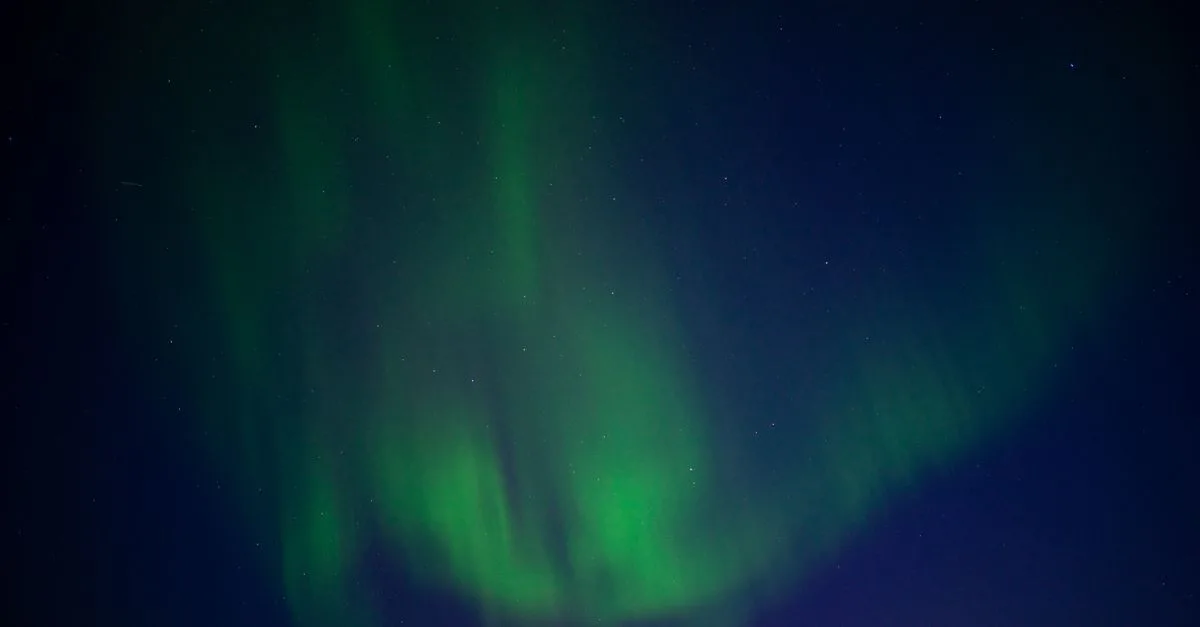
Cumbria residents joined people across the UK in witnessing the Northern Lights on Friday and Saturday, as solar activity brought the aurora to southern skies.
Quick facts
- Sightings occurred across the UK on Friday, October 9, and Saturday, October 10, 2026.
- The Met Office indicates potential sightings could continue until Tuesday, October 13, 2026.
- Visibility reached as far south as Kent, Devon, and Hampshire due to strong solar activity.
Why it matters
The appearance of the Northern Lights across southern England and Cumbria highlights the intensity of recent solar activity. While geomagnetic storms are a standard scientific occurrence, the extent of this specific event's visibility underscores the importance of monitoring Met Office updates for those interested in celestial phenomena.
Cumbria residents and observers across the United Kingdom were treated to a rare display of the Northern Lights on the evenings of Friday, October 9, and Saturday, October 10, 2026. The natural phenomenon, also known as the aurora borealis, was captured in locations including Kendal, as intense solar activity pushed the display significantly further south than usual.
Why is this trending in United Kingdom?
The event is trending because the aurora borealis, typically reserved for the Arctic Circle and northern Scotland, appeared across a vast portion of the UK. Reports of the lights in Cumbria, Wales, and as far south as Kent have generated significant public interest and widespread social media sharing of photographs.
What causes the Northern Lights?
The aurora borealis is triggered by coronal mass ejections, which are powerful solar eruptions from the Sun. These eruptions release charged particles that collide with gases in Earth's upper atmosphere, creating the vibrant colours observed by sky-gazers. The Met Office has confirmed that the intensity of this specific geomagnetic event allowed the lights to be seen in regions that rarely experience them.
What happens next?
As of October 13, 2026, the Met Office has stated that sightings of the aurora could remain possible during clear skies until Tuesday. While the most consistent views are expected in northern latitudes, the phenomenon's reach depends on the continued strength of the geomagnetic activity and local weather conditions.
What is confirmed and what is not
It is confirmed that the Northern Lights were visible across the UK, including Cumbria, over the past weekend. It is not confirmed exactly where or at what intensity the lights will appear for the remainder of the forecast period, as this depends on unpredictable solar conditions and cloud cover.
Frequently asked questions
Why were the Northern Lights visible in Cumbria?
The Northern Lights were visible in Cumbria due to increased solar activity, specifically coronal mass ejections from the Sun. These powerful eruptions created geomagnetic storms that allowed the aurora borealis to be seen much further south than its typical Arctic or northern Scottish range.
Will the Northern Lights be visible again tonight?
The Met Office suggests that sightings could remain possible until Tuesday, October 13, 2026. However, visibility is not guaranteed and depends entirely on clear skies and the continued strength of the geomagnetic activity occurring in the upper atmosphere.
What is the best way to see the Northern Lights in the UK?
To view the aurora borealis, observers should look for clear, dark skies away from light pollution. The Met Office indicates that while the phenomenon was widespread over the weekend, success depends on specific atmospheric conditions and low levels of ambient light.
How far south can the Northern Lights be seen?
During this specific period of strong solar activity, the Northern Lights were reported as far south as Devon, Hampshire, and Kent. This is an unusual range, as the phenomenon is typically restricted to the Arctic Circle and northern Scotland.
What causes the different colours in the aurora?
The colours of the aurora borealis are created when charged particles from the Sun collide with different gases in the Earth's upper atmosphere. These collisions excite the gas atoms, which then emit light at various wavelengths, resulting in the visible haze and colour displays.
Where can I find official updates on the Northern Lights?
The Met Office provides official forecasts and updates regarding geomagnetic activity and potential aurora sightings in the United Kingdom. Checking their weather reports is the most reliable way to determine if conditions are favourable for viewing the phenomenon.
In this story
Sources
Trend snapshot
- Topic
- Science
- Trending in
- United Kingdom
- Search interest
- 2000+ recent searches
- Status
- Verified: 3 independent outlets
- Last updated
- Oct 13, 2026 at 10:30 AM
Last checked Oct 13, 2026 at 10:30 AM. Trends move fast, so details may change. How we work · How we verify
Comments