Orionid Meteor Shower: How to Watch in Australia This Week
The Orionid meteor shower is reaching its peak this week. Find out when and how to watch the celestial event from Australia.
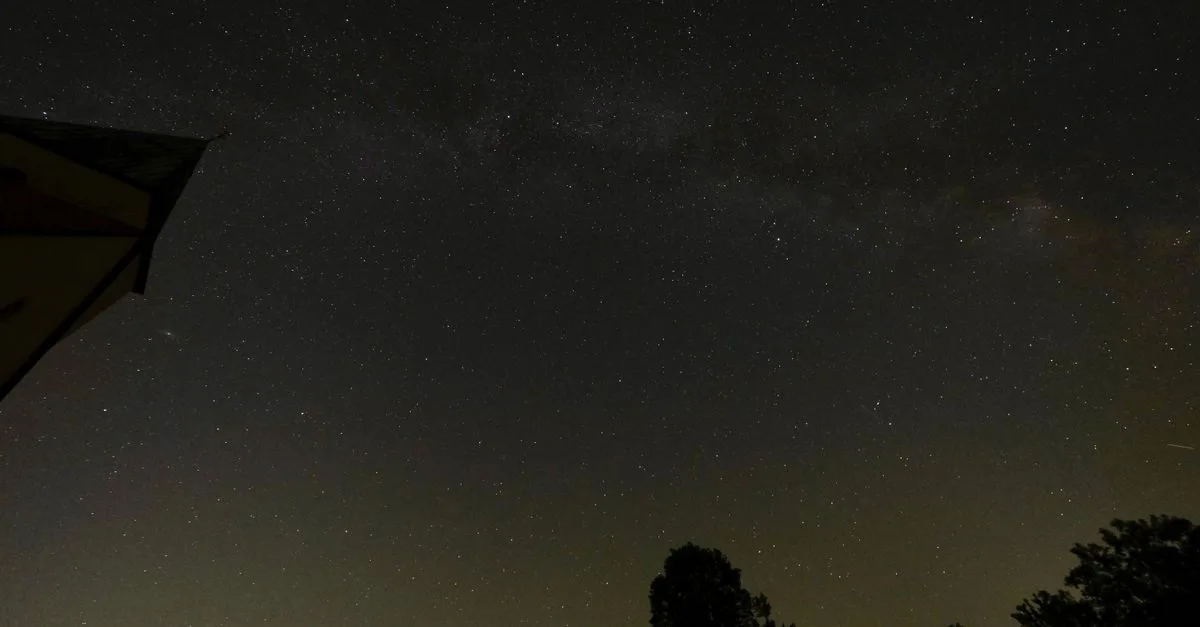
Quick facts
- The Orionid meteor shower peaks on Thursday morning, October 22, 2026.
- Experts recommend viewing between 4:00 am and 5:00 am for the best visibility.
- Under ideal, dark sky conditions, observers may see a meteor every 4 to 5 minutes.
Why it matters
The Orionid meteor shower is a predictable annual astronomical event caused by the Earth passing through the orbital path of Halley's Comet. While the shower is a reliable feature of the southern hemisphere sky, the brightness of the Moon can significantly impact visibility for casual observers. This year's timing requires specific planning for the pre-dawn hours to avoid lunar interference.
The Orionid meteor shower is set to reach its annual peak this week, offering stargazers across Australia a chance to view meteors produced by debris from Halley's Comet. As of October 21, 2026, the shower is active and expected to provide the most frequent sightings early Thursday morning.
Why it is trending now
The meteor shower is trending as Australians prepare for the peak activity period. While the shower lasts for several weeks, the Earth is currently passing through the densest part of the debris trail left by Halley's Comet. This intersection results in a higher concentration of meteors entering the atmosphere and burning up as shooting stars.
Key facts
- The peak occurs on Thursday morning, October 22, 2026, according to the Australian Broadcasting Corporation.
- Amateur astronomer Ian Musgrave advises that the best viewing window is from approximately 4:00 am on Wednesday, Thursday, and Friday mornings.
- Swinburne University astronomer Sara Webb notes that the optimal time for viewing is between 3:00 am and 5:00 am on Thursday.
- Observers are encouraged to look toward the Orion constellation to maximize their chances of spotting meteors.
- The current nearly full Moon will wash out visibility during the early night hours, making the pre-dawn period the most suitable time for stargazing.
Why this is trending in Australia
The Orionid meteor shower is visible across the entire Australian sky. Experts note that observers in northern regions of the country may have a higher probability of spotting more meteors during the peak.
Background and context
The Orionids occur annually as Earth moves through the cloud of cosmic dust and detritus shed by Halley's Comet. This material strikes the upper atmosphere, creating the visual display of shooting stars. The shower began earlier in October and is expected to continue until early November 2026.
What happens next
Stargazers should aim for dark, quiet locations away from light pollution to improve visibility. While peak activity is expected Thursday, some meteors may remain visible through early November. Those interested in identifying the Orion constellation can use night sky mobile applications to assist with orientation.
Frequently asked questions
When is the best time to see the Orionids in Australia?
The peak is expected on Thursday morning, October 22, 2026. Astronomers suggest viewing between 3:00 am and 5:00 am, when the Moon has set below the horizon and the sky is darkest.
Where should I look to see the meteors?
Experts recommend looking toward the Orion constellation. You do not need telescopes or binoculars; the meteors are best viewed with the naked eye to capture the widest possible field of view.
How many meteors can I expect to see?
Under dark, clear sky conditions, experts suggest you may be able to see a meteor every four to five minutes during the peak period.
Why is the Moon affecting the view?
The Orionids are peaking during a phase where the Moon is nearly full. The bright moonlight washes out the fainter meteors, which is why experts recommend viewing in the early morning once the Moon has set.
What causes the Orionid meteor shower?
The shower is caused by Earth passing through a trail of dust and debris left behind by Halley's Comet. When these particles hit the upper atmosphere, they burn up, creating the streaks of light known as shooting stars.
Will the meteor shower be visible after Thursday?
Yes. While the peak occurs this week, the Orionid meteor shower is active throughout October and continues until early November. However, the frequency of meteors will be lower outside of the peak period.
In this story
Sources
Trend snapshot
- Topic
- Science
- Trending in
- Australia
- Search interest
- 1000+ recent searches
- Status
- Verified: 3 independent outlets
- Last updated
- Oct 21, 2026 at 7:30 AM
Last checked Oct 21, 2026 at 7:30 AM. Trends move fast, so details may change. How we work · How we verify
Comments