Cyberattack on Supermarket Fridges Hits European Stores
A series of cyberattacks targeting supermarket refrigeration systems has impacted seven European countries, prompting concerns about food safety and security in Canada.
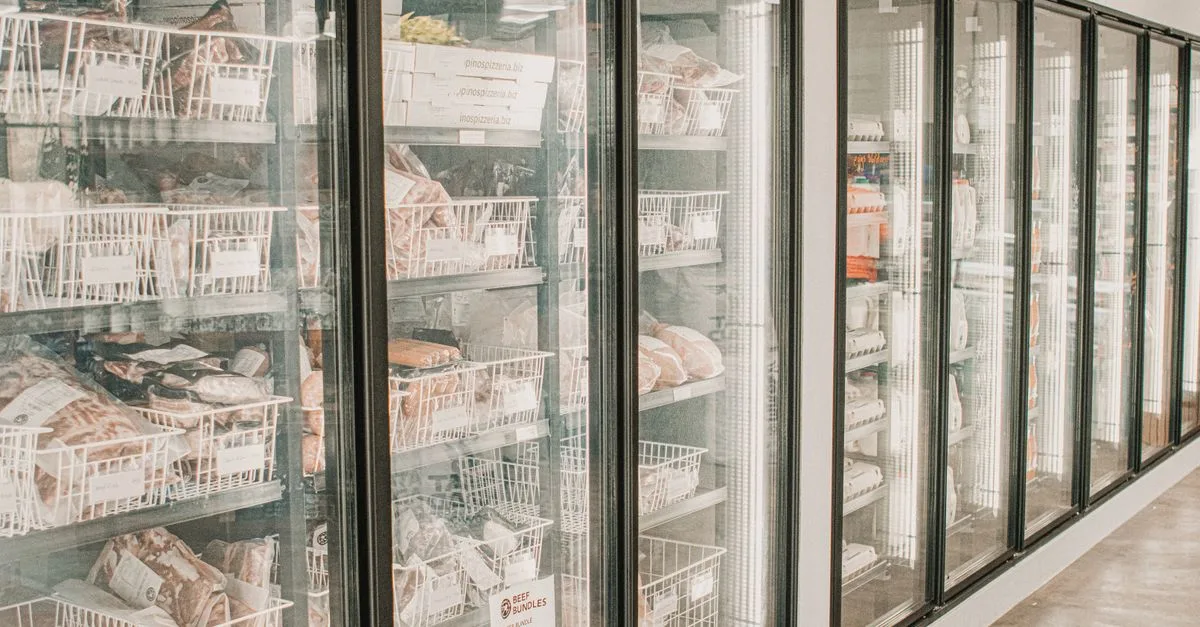
Quick facts
- Seven countries across Europe have reported incidents of supermarket fridge cyberattacks.
- The malicious activity has resulted in the spoilage of food items in affected stores.
- As of November 2, 2026, Canadian grocers are facing scrutiny regarding their own system vulnerabilities.
Why it matters
The incident highlights the increasing intersection between industrial internet-of-things (IoT) devices and physical infrastructure security. While the attacks appear focused on European retail, the global nature of supply chain technology means that software vulnerabilities are rarely contained by geographic borders. It remains to be seen if these incidents will lead to new regulatory requirements for Canadian retailers to harden their network security.
A wave of cyberattacks targeting supermarket refrigeration systems has caused significant food spoilage across seven countries in Europe. The incidents have drawn international attention, leading to urgent questions regarding the security of automated retail infrastructure and the potential risks for grocery chains in Canada.
Why it is trending now
The trend stems from reports that malicious actors have successfully compromised the digital controls of commercial refrigeration units. According to Reuters and the BBC, these attacks have resulted in temperature fluctuations that spoiled stock in multiple European nations. The scope of the disruption has prompted security analysts to examine how interconnected smart appliances can be weaponized to cause physical damage to inventory.
Key facts
- The attacks have been confirmed in seven European countries, according to reports from Reuters and the BBC.
- The primary impact of these digital intrusions is the spoilage of food stored in controlled-temperature units, as noted by CTV News.
- Canadian grocery retailers are now being asked to assess their own cybersecurity posture following the European incidents, per CTV News.
Why this is trending in Canada
The trend is gaining traction in Canada as retail experts and consumers alike question the vulnerability of local supermarket chains. CTV News reports that the European situation has triggered a broader discussion among Canadian grocers about whether their own connected refrigeration systems could be susceptible to similar digital threats.
Background and context
Modern supermarkets increasingly rely on interconnected systems to manage energy efficiency and monitor food safety in large-scale refrigeration units. These systems often communicate over networks, which can create entry points for unauthorized access if security protocols are not sufficiently robust. While the European incidents are currently being investigated, they highlight the growing reliance on internet-connected infrastructure in the food supply chain.
What happens next
Retailers and cybersecurity firms are expected to increase monitoring of commercial IoT devices. As of November 3, 2026, there are no confirmed reports of similar attacks affecting major Canadian grocery chains. Industry observers suggest that Canadian retailers may soon undergo security audits to determine if their refrigeration networks require additional protection against remote interference.
Frequently asked questions
What happened to the supermarket fridges?
Cyberattacks targeted the digital control systems of refrigeration units in seven European countries. This interference caused temperature fluctuations that led to the spoilage of food inventory within the affected supermarkets.
Why are Canadians interested in this story?
The story is trending in Canada because it raises concerns about the security of domestic grocery infrastructure. Experts are questioning if similar connected refrigeration systems in Canada could face comparable risks.
How many countries were affected?
According to reports from the BBC and Reuters, the cyberattacks on supermarket refrigeration systems have impacted seven countries across Europe.
Are Canadian supermarkets currently being targeted?
As of November 3, 2026, there have been no confirmed reports of similar cyberattacks occurring at Canadian supermarket locations.
What is the main risk identified in these attacks?
The main risk is the unauthorized remote control of industrial refrigeration units, which can lead to food spoilage and significant financial losses for retailers due to compromised safety standards.
In this story
Sources
Trend snapshot
- Topic
- Technology
- Trending in
- Canada
- Search interest
- 10000+ recent searches
- Status
- Verified: 3 independent outlets
- Last updated
- Nov 3, 2026 at 8:04 AM
Last checked Nov 3, 2026 at 8:04 AM. Trends move fast, so details may change. How we work · How we verify
Comments