Supreme Court to Rule on Quebec Bill 21 Notwithstanding Clause
The Supreme Court of Canada will issue a decision on Quebec's secularism law, Bill 21, on November 27, focusing on the use of the notwithstanding clause.
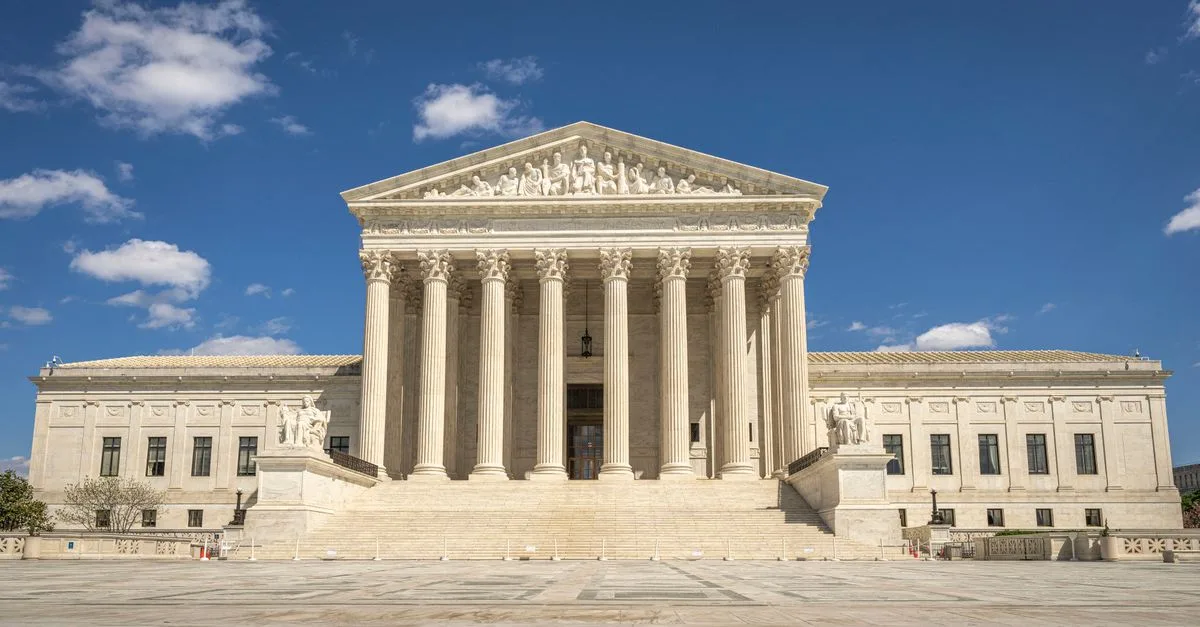
Quick facts
- The Supreme Court of Canada will release its decision on Friday, November 27, 2026.
- The federal government spent $3.45 million on the legal challenge against Bill 21.
- The case examines the appropriate use of the notwithstanding clause to protect provincial laws from Charter challenges.
Why it matters
The upcoming Supreme Court ruling is significant because it addresses the constitutional tension between provincial autonomy and federal Charter protections. The decision may define the extent to which provinces can use the notwithstanding clause to insulate legislation from judicial review, a matter that has become a central point of friction in Canadian intergovernmental relations.
The Supreme Court of Canada is scheduled to release its highly anticipated decision regarding Quebec’s secularism law, known as Bill 21, on Friday, November 27, 2026. As of November 21, 2026, the court has confirmed the release date in a notice to the media, barring any unforeseen changes.
Why it is trending now
Public interest has surged as the country’s highest court prepares to rule on the limits of the notwithstanding clause. The case centers on whether Quebec’s use of this constitutional provision—which shields the provincial law from certain Canadian Charter of Rights and Freedoms challenges—is consistent with the intent of the Constitution.
Key facts
- According to the Supreme Court of Canada, the decision will be handed down on November 27, 2026.
- The federal government, which acted as an intervener, has argued that repeated use of the notwithstanding clause effectively amounts to an indirect amendment of the Constitution, as noted by the Department of Justice.
- The federal Justice Department reported spending $3.45 million on the legal challenge against the law, according to the Canadian Press.
- The notwithstanding clause allows provincial governments to protect legislation from being struck down based on specific sections of the Charter of Rights and Freedoms.
Why this is trending in Canada
This ruling is a significant point of national debate because it affects the balance of power between the federal government and provinces regarding constitutional rights. Canadians are following the case closely as it could set a precedent for how future provincial legislation is challenged or protected across the federation.
Background and context
Bill 21, Quebec's state secularism law, has been the subject of ongoing legal scrutiny since its inception. The debate involves competing interpretations of the notwithstanding clause, a tool that allows provinces to bypass certain Charter protections. The federal government has expressed concerns that the frequent use of this clause undermines the spirit of the Charter, while the provincial government maintains it is a necessary tool for enacting regional policy.
What happens next
The Supreme Court of Canada is expected to issue its ruling on November 27. The outcome will clarify the legal boundaries of the notwithstanding clause, which may influence future intergovernmental relations and how provincial laws are drafted and challenged across Canada.
Frequently asked questions
When will the Supreme Court rule on Bill 21?
The Supreme Court of Canada is scheduled to release its decision on Quebec's Bill 21 on Friday, November 27, 2026.
What is the notwithstanding clause?
The notwithstanding clause is a provision in the Canadian Constitution that allows provincial governments to enact laws that are protected from being challenged under certain sections of the Canadian Charter of Rights and Freedoms.
Why is the federal government involved in the Bill 21 case?
The federal government participated in the case as an intervener. It has argued that the repeated use of the notwithstanding clause by provinces acts as an indirect amendment to the Constitution.
How much has the federal government spent on the Bill 21 challenge?
According to the Canadian Press, the federal Justice Department has spent approximately $3.45 million on the legal challenge against Quebec's secularism law.
What is the focus of the Supreme Court's upcoming decision?
The Court is tasked with determining what constitutes an appropriate remedy or application of the notwithstanding clause in the context of the challenge to Quebec's secularism law.
In this story
Sources
Trend snapshot
- Topic
- Politics
- Trending in
- Canada
- Search interest
- 1000+ recent searches
- Status
- Verified: 3 independent outlets
- Last updated
- Nov 21, 2026 at 1:10 PM
Last checked Nov 21, 2026 at 1:10 PM. Trends move fast, so details may change. How we work · How we verify
Comments