Plastic Pellets Found Along Denmark's West Coast
Small plastic pellets have been discovered along the Danish west coast, stretching from Rømø to Løkken. Authorities and tech firms are working to address the environmental impact.
Quick facts
- Plastic pellets have been spotted from the island of Sylt in Germany up to Løkken in Denmark.
- The pellets are estimated to be under five millimeters in size.
- The 'RAFOO' app has a 92 percent accuracy rate in detecting plastic waste from user photos.
Why it matters
The appearance of these industrial pellets highlights the vulnerability of the North Sea coastline to maritime transport accidents. While technology like the RAFOO app provides a modern tool for mapping and citizen science, the physical removal of microplastics from complex beach ecosystems remains a significant technical challenge for environmental agencies.
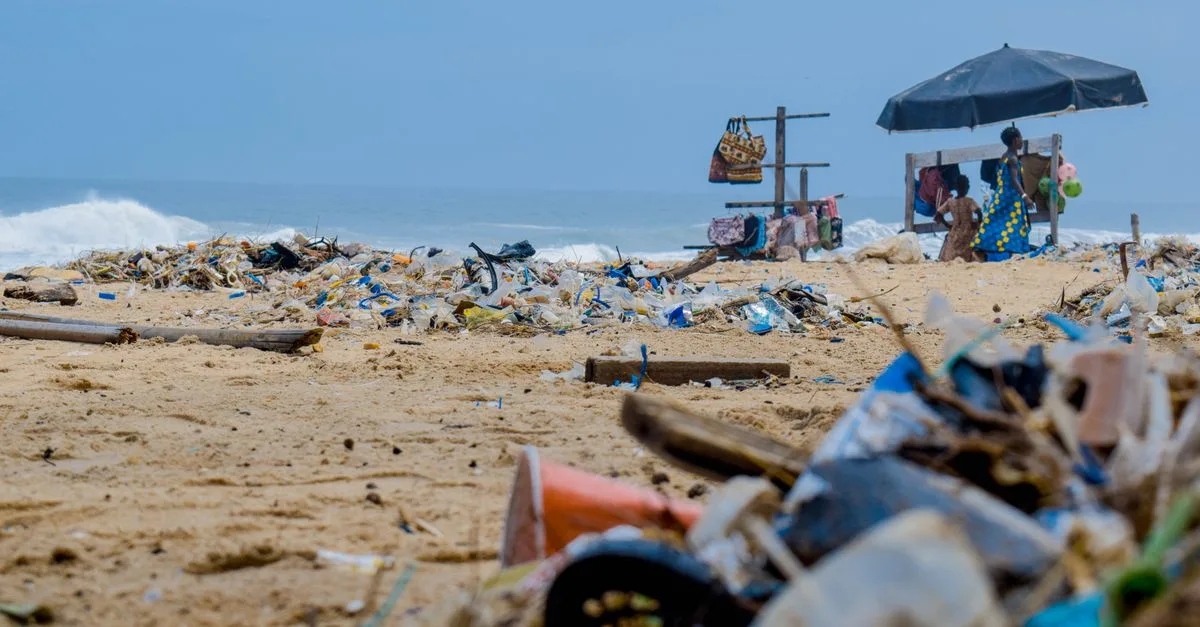
As of October 15, 2026, widespread reports confirm that large amounts of small plastic pellets have washed up along the west coast of Denmark. The pollution, which stretches from the island of Rømø in the south to Løkken in the north, has raised environmental concerns due to the difficulty of removing such small particles from the sand.
What happened?
The pellets were first identified by Anders Rahbek, a forester from the Danish Nature Agency (Naturstyrelsen Vadehavet), during a routine inspection at Lakolk Strand on Rømø. The pellets, which are classified as microplastic due to their size of less than five millimeters, were found mixed with seaweed, feathers, and shells following high tide. According to reports, the source is likely a shipping accident that occurred earlier this summer near Newcastle, England, involving a vessel carrying millions of these pellets.
Why this is trending in Denmark
The discovery has sparked significant public interest as the pellets have been spotted along extensive stretches of the Danish west coast, prompting local authorities to address the clean-up challenge. The situation is part of a wider trend of coastal pollution awareness in Denmark.
How are authorities responding?
Removing the pellets is described as a nearly impossible task for traditional cleaning methods because of their small size and tendency to bury themselves in the sand. To combat this, the software company Race for Oceans Technology has developed an application called 'RAFOO'. The app allows users to photograph waste on the beach, which helps identify and map the spread of microplastics. According to the developers, the technology currently achieves a 92 percent accuracy rate in identifying plastic waste.
What is confirmed and what is not
It is confirmed that the pellets have been found along the west coast from Rømø to Løkken and that they are identical to those involved in a shipping accident near Newcastle. However, the total volume of plastic currently present on Danish beaches and the exact timeline for a complete cleanup remain not confirmed at this time.
Frequently asked questions
What are the small white pellets found on the beach?
They are microplastic pellets, measuring less than five millimeters in diameter. They are believed to have originated from a shipping accident near Newcastle, England, earlier this summer, and have since washed up on beaches along the Danish west coast.
Where have the plastic pellets been found?
The pellets have been reported along the entire west coast of Denmark, spanning from the island of Rømø in the south up to the town of Løkken in the north.
Why is it difficult to remove the plastic?
According to the Danish Nature Agency, the pellets are extremely small and easily become buried within the sand. Traditional waste collection methods are not equipped to handle particles of this size effectively.
What is the RAFOO app?
RAFOO is a new application developed by Race for Oceans Technology. It allows users to take photos of beach waste to help map and identify microplastic pollution. The app reportedly has a 92 percent success rate in identifying items.
Is the cleanup effort fully confirmed?
The scale of the cleanup is currently limited by the difficulty of the task. While mapping efforts are underway via the RAFOO app, a comprehensive or finalized plan to remove all pellets from the sand has not been confirmed.
Are the pellets dangerous to local wildlife?
The reports indicate that these pellets are a concern for the local environment and wildlife, specifically mentioning that they are found alongside seaweed and feathers on the beach, posing a risk to birds and other coastal organisms.
In this story
Sources
Trend snapshot
- Topic
- Science
- Trending in
- Denmark
- Search interest
- 1000+ recent searches
- Status
- Verified: 3 independent outlets
- Last updated
- Oct 15, 2026 at 12:00 PM
Last checked Oct 15, 2026 at 12:00 PM. Trends move fast, so details may change. How we work · How we verify
Comments