Prabowo Responds to MSCI Market Warning Amid Indonesia Rout
Indonesian President Prabowo Subianto has publicly challenged MSCI after the index provider warned of a potential demotion for the country's stock market status.
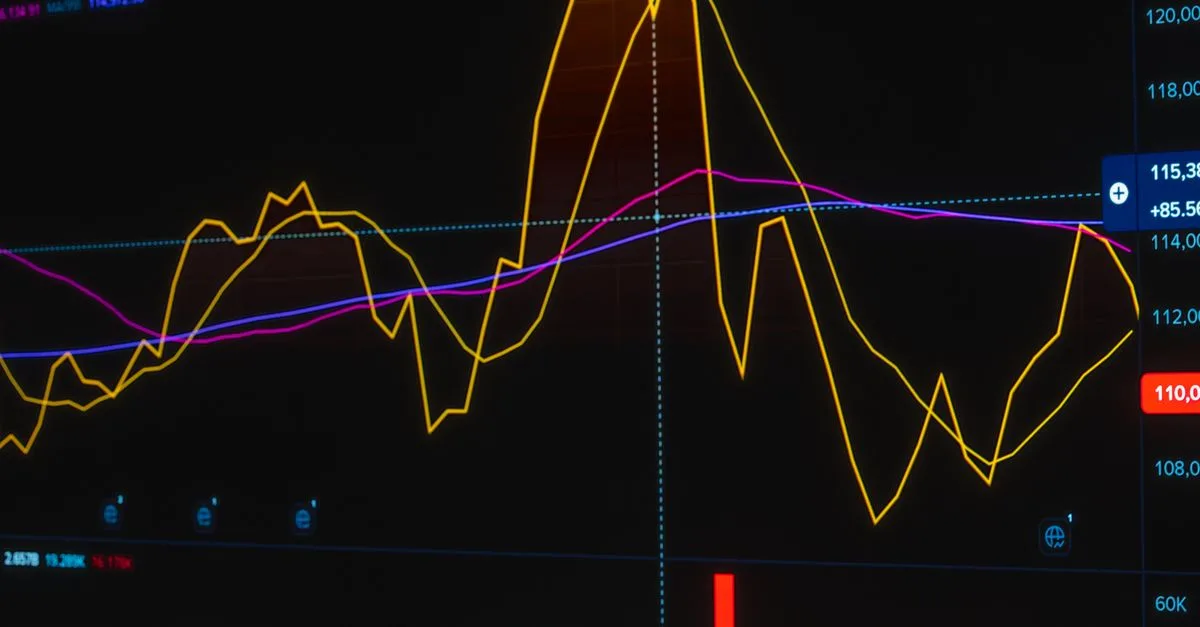
Quick facts
- MSCI warned it may demote Indonesia to 'standalone' market status.
- The announcement triggered a record-breaking two-day stock market rout in Indonesia.
- President Prabowo Subianto made his first public comments on the issue on October 21, 2026.
Why it matters
The conflict highlights the power of global index providers like MSCI to influence the economic standing of emerging nations through their classification criteria. The situation underscores the tension between national regulatory autonomy and global market standards. Whether this leads to a resolution or a permanent shift in Indonesia's index status remains to be seen.
Indonesian President Prabowo Subianto has accused global index provider MSCI of attempting to intimidate Indonesia, following the firm's warning that it may demote the country's equities to "standalone" market status. As of October 21, 2026, the President struck a combative tone during a Cabinet meeting, stating that Indonesia would not be afraid of the pressure.
Why it is trending now
The tension stems from a recent announcement by MSCI, which claimed that Indonesia had not sufficiently addressed concerns regarding coordinated trading practices in its stock markets. This warning initiated a significant two-day market rout in Jakarta, raising concerns about potential capital flight and the exclusion of the US$1.5 trillion G20 economy from major emerging market index flows.
Key facts
- President Prabowo Subianto publicly addressed the MSCI warning for the first time on October 21, 2026, according to CNA.
- MSCI is considering a demotion of Indonesia's equities to "standalone" status, as reported by CNA.
- The market volatility followed MSCI's claims regarding trading practices within the Indonesian stock market, per reports from CNA.
Why this is trending in Singapore
The search interest in Singapore is part of a wider regional concern regarding financial stability in Southeast Asia. While the source notes do not state specific Singaporean institutional involvement, major financial entities like Temasek and GIC have been mentioned in news reports in relation to denying any role in the Indonesian stock market rout.
Background and context
Indonesia's stock market has faced intense scrutiny following the MSCI announcement. The threat of being downgraded to "standalone" status represents a major shift for the G20 economy, which has previously maintained its position within emerging market indices. The situation remains fluid as the government signals it will resist the index provider's pressure.
What happens next
The Indonesian government has indicated it will not yield to the pressure from MSCI. Future implications depend on whether MSCI proceeds with the formal demotion of Indonesia's market status or if the Indonesian authorities can reach an agreement to address the concerns regarding trading practices. Specific timelines for these decisions were not available at the time of writing.
Frequently asked questions
What did MSCI do to trigger the market rout?
MSCI announced it is considering demoting Indonesia’s equities to "standalone" market status. The index provider cited concerns over coordinated trading practices, which triggered a sharp, record-breaking two-day sell-off in the Indonesian stock market.
How did President Prabowo Subianto respond?
During a Cabinet meeting on October 21, 2026, President Prabowo Subianto stated that MSCI was trying to intimidate Indonesia. He adopted a combative stance, declaring that the country would not be afraid of the index provider's pressure.
What is a 'standalone' market status?
In the context of index providers, a 'standalone' status is a classification typically used for markets that do not meet the criteria for emerging or developed market indices. Such a move can lead to reduced capital inflows from international institutional investors.
Are Singaporean firms involved in the market rout?
Media reports indicate that Singapore-based investment firms Temasek and GIC have issued denials regarding any involvement in instigating the stock market rout in Indonesia.
What happens next for the Indonesian market?
The situation is currently developing. The government has signaled resistance to MSCI's assessment, but the final decision on the market status downgrade and the potential impact on capital flows remain unconfirmed at this time.
In this story
Sources
Trend snapshot
- Topic
- Business
- Trending in
- Singapore
- Search interest
- 1000+ recent searches
- Status
- Verified: 3 independent outlets
- Last updated
- Oct 21, 2026 at 5:45 PM
Peak: 1K+ searches, 2 hours ago. Strongest in: Singapore (1K+).
Last checked Oct 21, 2026 at 5:45 PM. Trends move fast, so details may change. How we work · How we verify
Comments