SMRT Trials New Escalator Rules in Singapore
Transport operator SMRT has launched a month-long trial at City Hall and Raffles Place MRT stations, encouraging commuters to stand on both sides of the escalator.
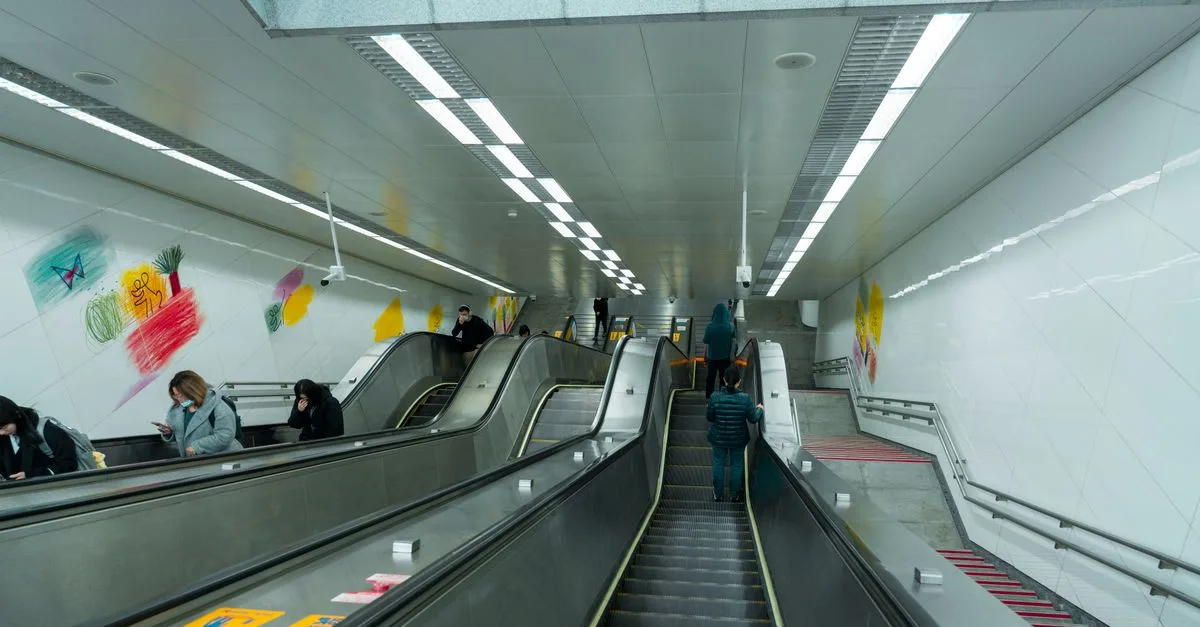
Quick facts
- The trial takes place at City Hall and Raffles Place MRT stations throughout November 2026.
- Observations by CNA on November 7, 2026, found walkers took 20 seconds to ascend, while those standing took 30 seconds.
- All 10 commuters interviewed by CNA on November 7 reported a preference for the existing 'keep left' practice.
Why it matters
The trial represents an attempt to reconcile local transit behavior with international engineering standards regarding escalator efficiency. Whether the initiative succeeds depends on public acceptance, as current commuter habits are strongly attached to the 'keep left' convention. The wider context of why SMRT chose these specific stations is not confirmed beyond the initial reporting.
Transport operator SMRT is conducting a month-long trial at City Hall and Raffles Place MRT stations that encourages commuters to stand on both sides of the escalator. As of November 7, 2026, the initiative aims to shift the long-standing Singaporean practice of keeping to the left and leaving the right side clear for those walking.
Why it is trending now
The trial follows the installation of signage and standees at City Hall MRT station, which feature the message “Share A Step, Ease The Flow.” The move mirrors similar campaigns in cities like London, Tokyo, and Seoul, where authorities argue that utilizing both sides of the escalator can increase station capacity and reduce equipment wear and tear.
Key facts
- SMRT has placed signs and standees at City Hall MRT station near the Raffles City exit, according to The Straits Times.
- CNA reported that during observations on November 7, 2026, those choosing to walk on the right completed their ascent in 20 seconds, whereas those standing on the left took 30 seconds.
- Ten commuters interviewed by CNA on November 7 expressed a preference for the traditional method of keeping to the left.
- The trial is scheduled to last for one month at both City Hall and Raffles Place MRT stations, as noted by CNA.
Why this is trending in Singapore
The change is trending because it challenges a deeply ingrained social norm in Singaporean public transport etiquette. Commuters are actively discussing the shift, with some supporting the potential for improved efficiency and others expressing reluctance to abandon the established habit of walking on the right.
Background and context
For years, the standard practice on Singapore's public transport network has been to stand on the left side of the step. This allows individuals in a hurry to pass on the right. Similar shifts have been attempted in other global cities, with proponents suggesting it balances the load on escalator mechanisms and helps manage high-volume pedestrian traffic during peak hours.
What happens next
SMRT has not yet released findings from the trial or confirmed if the policy will be implemented across other stations. Commuters can expect to see the signage at City Hall and Raffles Place for the duration of the month-long trial period.
Frequently asked questions
What is the new SMRT escalator trial?
SMRT is trialling a system that encourages commuters to stand on both sides of the escalator instead of keeping to the left. The goal is to increase station capacity and reduce bottlenecks.
Where is the trial taking place?
The trial is currently active at City Hall MRT station and Raffles Place MRT station. Signage has been spotted at these locations to inform commuters of the new guidance.
How long will the trial last?
The trial is scheduled to run for one month. SMRT has not provided specific details on potential long-term implementation or expansion to other stations at this time.
Why do some people support the change?
Proponents suggest that standing on both sides of an escalator increases overall throughput, improves passenger flow, and can reduce maintenance costs by distributing weight more evenly across the steps.
Are commuters following the new rule?
Initial reports suggest that commuters remain reluctant to change. Interviews with commuters on November 7, 2026, indicated a strong preference for continuing the traditional practice of standing on the left.
In this story
Sources
Trend snapshot
- Topic
- Lifestyle
- Trending in
- Singapore
- Search interest
- 1000+ recent searches
- Status
- Verified: 3 independent outlets
- Last updated
- Nov 7, 2026 at 6:45 PM
Peak: 1K+ searches, 2 hours ago. Strongest in: Singapore (1K+).
Last checked Nov 7, 2026 at 6:45 PM. Trends move fast, so details may change. How we work · How we verify
Comments