Iran-Linked Ships Near Subsea Cables Raise Mine Fears
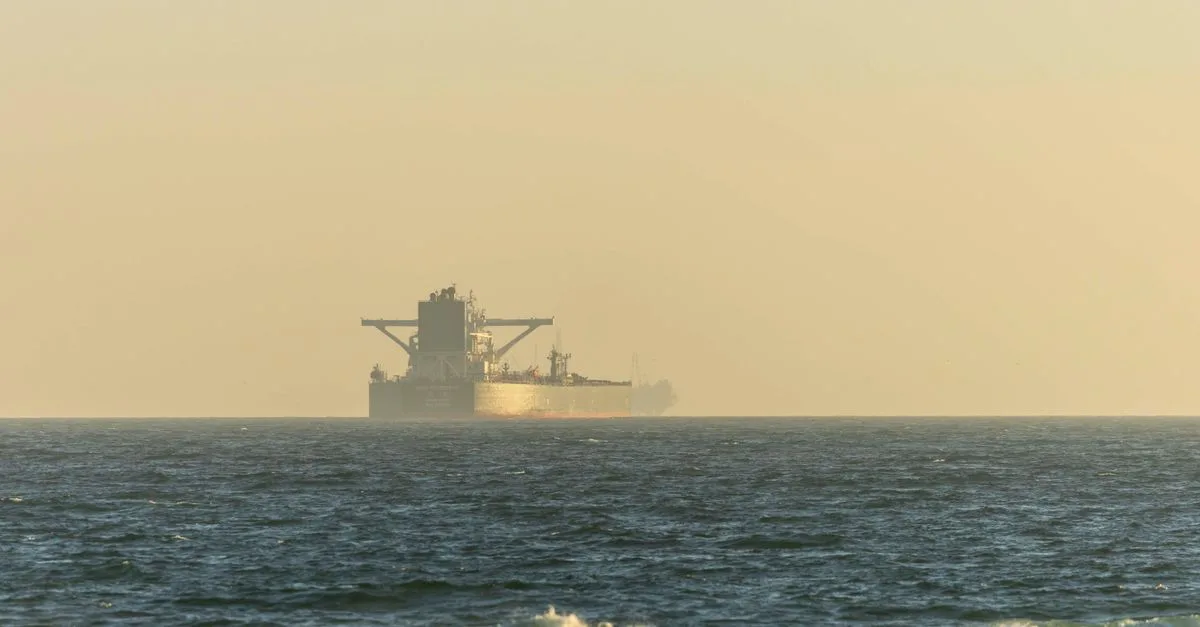
Reports of Iran-linked vessels maneuvering near subsea cables have sparked concerns over potential sabotage, including the possible installation of mines.
Quick facts
- At least 4 Iran-linked vessels were observed exhibiting irregular movement near subsea cables in the Gulf of Oman.
- Data from maritime intelligence firm Windward indicates 3 of the vessels are oil tankers under US sanctions.
- Satellite imagery analysis by MAIAR shows ongoing construction at 2 Iranian missile bases and repairs at 12 military sites.
Why it matters
The reports highlight a shift in regional tensions toward critical civilian and military infrastructure. By moving military operations underground and signaling threats to global communications, Iran is signaling a defensive posture that complicates maritime security. The involvement of sanctioned tankers suggests that the actors involved are linked to state-sanctioned entities, though the direct intent behind the vessel movements remains a matter of expert analysis rather than confirmed military action.
Recent maritime intelligence reports have identified Iran-linked vessels maneuvering in patterns consistent with the installation of mines or interference with subsea telecommunications cables in the Gulf of Oman. As of November 7, 2026, these observations have prompted heightened security concerns regarding critical regional infrastructure.
Why it is trending now
The trend follows reports from the maritime intelligence firm Windward, cited by the Financial Times, which observed at least four vessels operating in an unusual manner near key subsea cable routes. The vessels reportedly slowed down, circled, or deactivated their tracking signals while passing through specific zones. These movements have been analyzed by experts as behavior consistent with mapping cables or deploying subsea explosives, such as mines.
Key facts
- Maritime intelligence firm Windward identified four Iran-linked vessels, including three oil tankers currently under United States sanctions, acting suspiciously near subsea cable routes, according to Yonhap News.
- The activity occurred in the Gulf of Oman, a region where Iranian authorities have previously warned of potential strikes against data centers and telecommunications infrastructure in response to threats of Western intervention.
- Satellite imagery analyzed by the British firm MAIAR indicates that Iran is currently engaged in large-scale construction at a minimum of two missile bases, as reported by the BBC.
- Repair work has been detected at at least 12 military facilities previously impacted by airstrikes, suggesting an effort to reinforce critical infrastructure underground.
Why this is trending in South Korea
This news is trending in South Korea due to the potential global economic and security implications of damaged telecommunications infrastructure, which could disrupt international data traffic. While the specific impact on South Korea is not detailed in the reports, the sensitivity of the region to maritime security developments keeps this topic at the forefront of international interest.
Background and context
Tensions in the region have escalated following persistent threats of additional strikes from the United States. Iran has explicitly stated that it considers regional subsea cables and data centers as potential targets for retaliation. This latest development involving maritime vessels adds a physical dimension to these verbal warnings, signaling a shift toward protecting military assets while potentially threatening external infrastructure.
What happens next
The situation remains fluid as maritime monitoring agencies continue to track vessel movements in the Gulf of Oman. Governments and international telecommunications operators are expected to maintain increased vigilance regarding the safety of subsea cables. Future developments will depend on whether these vessels continue to operate near critical infrastructure or move away from the identified routes.
Frequently asked questions
What happened with the ships in the Gulf of Oman?
Maritime intelligence firm Windward observed four Iran-linked vessels, including three sanctioned oil tankers, acting suspiciously near subsea communication cables. The ships reportedly slowed down or turned off tracking signals in patterns consistent with potential sabotage or the installation of mines.
Why are mines a concern in this situation?
Experts analyzing the vessel movements noted that the ships' behavior—such as lingering near specific cable routes while disabling tracking—is consistent with the tactical deployment of explosives or mines to damage or disrupt subsea infrastructure.
Is the threat to subsea cables confirmed?
No, the threat is currently based on reports of suspicious vessel behavior. While Iran has previously issued verbal warnings about targeting regional telecommunications infrastructure, the actual presence of mines or intent to sabotage has not been confirmed.
What are the vessels doing?
According to reports, the vessels, which include three oil tankers under US sanctions and one small fishing boat, were observed maneuvering irregularly and deactivating their location tracking signals while traveling over or near critical subsea cable zones.
What is the status of Iranian military facilities?
Satellite imagery analysis indicates that Iran is currently performing construction at at least two missile bases and conducting repairs at 12 military sites that were previously damaged by airstrikes, according to reports.
In this story
Sources
Trend snapshot
- Topic
- World
- Trending in
- South Korea
- Search interest
- 1000+ recent searches
- Status
- Verified: 3 independent outlets
- Last updated
- Nov 7, 2026 at 9:00 AM
Peak: 1K+ searches, 1 hour ago. Strongest in: South Korea (1K+).
Last checked Nov 7, 2026 at 9:00 AM. Trends move fast, so details may change. How we work · How we verify
Comments