Government 'Be Ready' Advice Sparks Panic Buying Debate
Public interest in emergency stockpiling has surged following the UK government's 'Be Ready' campaign, which advises households to prepare for potential crises.
Quick facts
- The government recommends households keep three days' worth of bottled water and non-perishable food.
- Recommended supplies include torches, mobile charging packs, wet wipes, and cash.
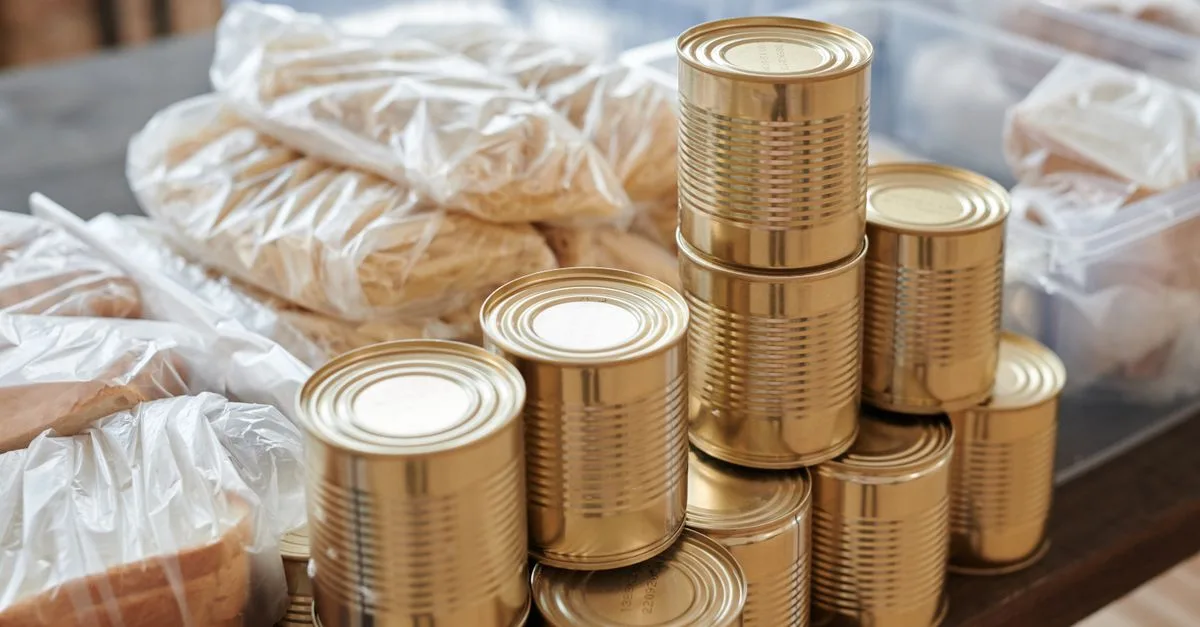
- Ian Ferguson from Dorset reported storing 600 cans of food to provide a 100-day supply.
Why it matters
The trend reflects a tension between government efforts to improve national civil contingency planning and the economic reality for many UK households. Public anxiety is driven by the intersection of official 'Be Ready' messaging and the historical association of emergency preparation with panic buying events.
Searches for panic buying have increased across the United Kingdom following the launch of the government's 'Be Ready' campaign. The initiative advises households to prepare for national emergencies—such as natural disasters, cyber attacks, or war—by maintaining a three-day supply of essential goods.
Why it is trending now
The trend follows official guidance from the government, supported by Prime Minister Andy Burnham, suggesting that families should keep emergency supplies in their homes. While the campaign aims to improve national resilience, it has triggered widespread public discussion regarding the feasibility of stockpiling for low-income households and concerns over potential shortages in supermarkets.
Key facts
- The government recommends households maintain at least three days of bottled water and tinned food, according to BBC reports.
- Cabinet minister Wes Streeting specifically mentioned the need for torches and mobile phone charging packs, as noted by the BBC.
- The Guardian reports that sales of bottled water and tinned food have surged in response to the public guidance.
- Some individuals, such as Ian Ferguson from Weymouth, have independently built stockpiles of up to 600 cans of food over the last two years, per BBC reporting.
Why this is trending in United Kingdom
The advice has sparked a debate about social equity in the United Kingdom. Critics, including participants in the Changing Realities project, argue that the guidance is difficult for families on universal credit or low incomes to follow without sacrificing other essential needs like childcare or heating.
Background and context
The 'Be Ready' campaign was developed to help the public handle disruptions to essential services. Officials state that unexpected events are becoming more common, necessitating a shift toward individual preparedness. While some citizens have begun purchasing extra supplies, the government has clarified that people do not need to buy all recommended items at once.
What happens next
Public discourse remains focused on the affordability of these preparations. There is no official timeline for further government action regarding the supply chain, though retailers continue to monitor demand for essential items following the surge in interest.
Frequently asked questions
What does the government 'Be Ready' campaign recommend?
The government advises households to maintain a three-day supply of non-perishable food and bottled water. Additional recommended items include torches, mobile phone charging packs, wet wipes, and cash to help manage potential disruptions to essential services.
Why are people concerned about the new advice?
Many, particularly low-income families, have expressed concern that the advice is difficult to follow. Experts have described the guidance as potentially tone-deaf, noting that households facing poverty may struggle to afford additional supplies without sacrificing other essential expenses like childcare.
Is panic buying currently happening?
While reports indicate a surge in sales for items like bottled water and tinned food, the government has explicitly stated that households do not need to purchase all emergency supplies at once.
Who is behind the 'Be Ready' campaign?
The campaign is a government initiative. Prime Minister Andy Burnham has publicly supported the advice, emphasizing that unexpected events are becoming more common and that households should be prepared to manage for a few days independently.
What events is the government preparing for?
The government's 'Be Ready' campaign is designed to help households manage during national emergencies, including severe weather events, cyber attacks, or other incidents that could disrupt essential public services and infrastructure.
In this story
Sources
Trend snapshot
- Topic
- Lifestyle
- Trending in
- United Kingdom
- Search interest
- 5000+ recent searches
- Status
- Verified: 3 independent outlets
- Last updated
- Oct 29, 2026 at 5:45 PM
Peak: 5K+ searches, 2 hours ago. Strongest in: United Kingdom (5K+).
Last checked Oct 29, 2026 at 5:45 PM. Trends move fast, so details may change. How we work · How we verify
Comments