Moon Tonight: The Beaver Supermoon Explained
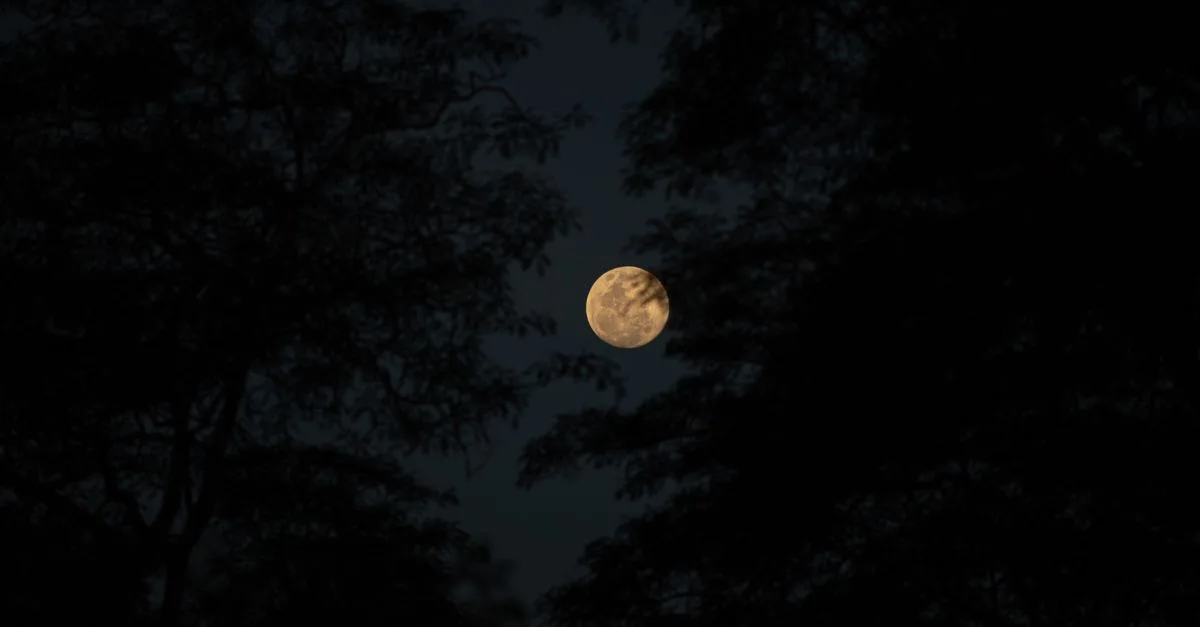
The Beaver supermoon is currently a trending topic as the full moon reaches its peak illumination. Here is what you need to know about the astronomical event.
What we know
What happened
The Beaver supermoon is currently a trending topic as the full moon reaches its peak illumination. Here is what you need to know about the astronomical event.
What is confirmed
- Single-source reporting The November full moon, known as the Beaver supermoon, reached peak illumination on 24 November 2026. Source: The Guardian
- Unverified The term 'Beaver moon' is linked to Algonquin Native American traditions, marking the time of year when beavers are most active preparing for winter.
- Single-source reporting The moon has been captured in various locations worldwide, from the Erasmus Bridge in Rotterdam to the London Eye in the UK. Source: The Guardian
- Single-source reporting Full moons can influence cultural and astrological discussions, as highlighted in lifestyle reports regarding the impact of lunar cycles on personal signs. Source: Vogue Australia
What is disputed or unclear
- Unclear The provided notes do not explain specific local search interest in Australia beyond the global nature of the event.
What to watch next
- Visual changes in lunar fullness
- Decrease in social media posts and searches regarding the Beaver moon
Verified: 3 independent outlets. How we count · Update log · About the sources
Why it matters
The interest in the 'moon tonight' is a regular occurrence during full moon cycles, particularly when branded as a 'supermoon.' This specific event coincides with seasonal naming conventions that often drive search traffic as people look for the meaning behind the name and the best times for viewing.
The search for information on the moon tonight has spiked as the November full moon, known as the Beaver supermoon, illuminates the night sky. As of 25 November 2026, observers across the globe have been documenting the event, which is the latest in a series of lunar cycles that draw significant public interest.
Why it is trending now
The trend is driven by the visual impact of the supermoon and its cultural significance. According to reporting from The Guardian, the moon has been captured in various locations worldwide, from the Erasmus Bridge in Rotterdam to the London Eye in the UK. The term 'Beaver moon' is linked to Algonquin Native American traditions, marking the time of year when beavers are most active preparing for winter.
Key facts
- The moon reached peak illumination on 24 November 2026, according to details provided by The Guardian.
- The name 'Beaver' relates to seasonal animal behavior, specifically the preparation of lodges and dams for colder months, as noted by sources in Frankfurt.
- The event has generated widespread interest, with international media outlets documenting its appearance over cities including Rome, Athens, and Srinagar.
Why this is trending in Australia
The notes provided do not explain specific local search interest in Australia beyond the global nature of the event. It is part of a wider international trend as observers look to the sky following the peak illumination period.
Background and context
Full moons are named based on seasonal markers or historical traditions. The November full moon is traditionally associated with the beaver, which is the focus of current interest. Experts also note that full moons can influence cultural and astrological discussions, as highlighted in lifestyle reports regarding the impact of lunar cycles on personal signs.
What happens next
As the moon moves past its peak illumination phase, it will transition through its regular lunar cycle. There are no further major lunar events confirmed in the provided notes for the immediate aftermath of this supermoon. Observers may continue to see the moon in the night sky, though it will gradually appear less full in the coming days.
Frequently asked questions
What is the Beaver supermoon?
The Beaver supermoon is the name given to the full moon in November. The name is derived from Algonquin Native American traditions, referencing the time of year when beavers are most active preparing their lodges and dams for the upcoming winter months.
Why is the moon trending?
The moon is trending because it has reached its peak illumination, prompting global interest and photographic coverage. People are searching for information about the event, its name, and how it appears in different parts of the world.
When was the moon at peak illumination?
According to reports, the moon reached its peak illumination at 7.53pm local time on 24 November 2026 in Pakistan. Observations have continued globally following this peak.
Is the moon still visible?
Yes, the moon remains visible in the night sky following its peak. While it is no longer at its absolute peak illumination, it will continue to be a prominent feature in the night sky during its current phase.
Are there other lunar events happening?
The provided source notes do not mention any other specific astronomical events or lunar occurrences happening immediately following the Beaver supermoon. Interest is currently focused on this specific full moon cycle.
In this story
Sources
About the sources (3)
Details come from our source registry. Anything we have not checked says Unknown. How we classify sources
The Guardian [1]
- Country
- Unknown
- Language
- Unknown
- Type
- Unknown
- Ownership
- Unknown
- Disclosure
- Not linked
- Reliability criteria
- Not yet reviewed by our editors
Forbes [2]
- Country
- Unknown
- Language
- Unknown
- Type
- Unknown
- Ownership
- Unknown
- Disclosure
- Not linked
- Reliability criteria
- Not yet reviewed by our editors
Vogue Australia [3]
- Country
- Australia (from the web address)
- Language
- Unknown
- Type
- Unknown
- Ownership
- Unknown
- Disclosure
- Not linked
- Reliability criteria
- Not yet reviewed by our editors
Update log
- Published Story published.
Trend snapshot
- Topic
- Science
- Trending in
- Australia
- Search interest
- 2000+ recent searches
- Status
- Verified: 3 independent outlets How we count
- Last updated
- Nov 25, 2026 at 3:49 PM
Last checked Nov 25, 2026 at 3:49 PM. Trends move fast, so details may change. How we work · How we verify
Comments