Newsround: Lake District Cows Aid Conservation Efforts
A herd of 53 Belted Galloway and Luing cows is helping restore habitats in the Lake District through a strategic conservation grazing project.
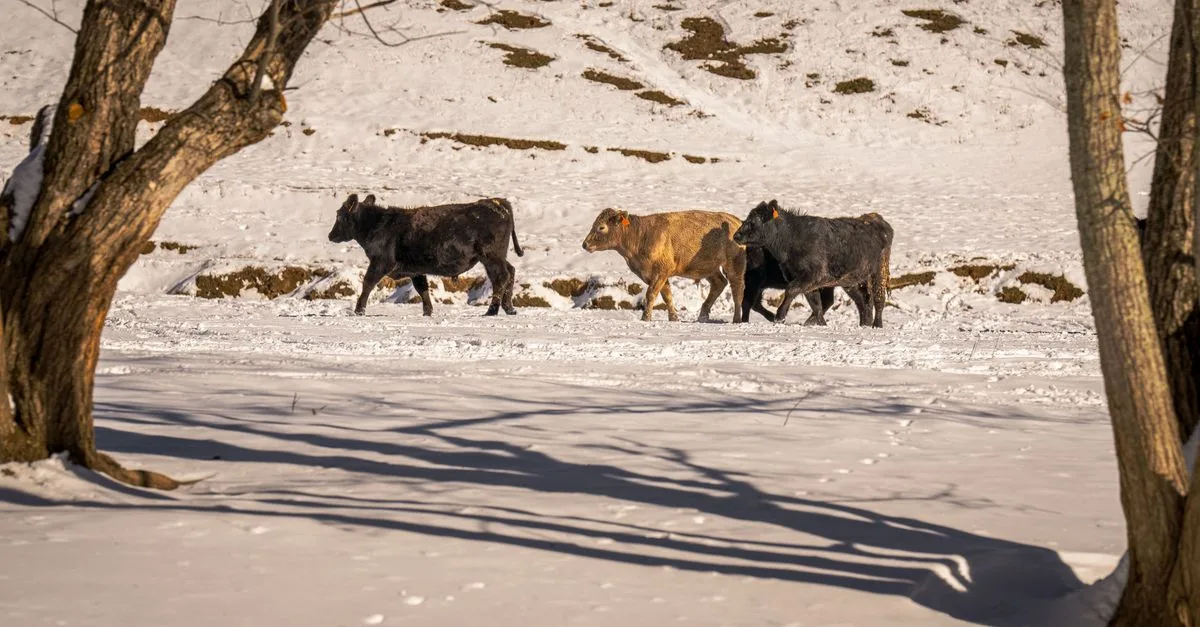
Quick facts
- A herd of 53 Belted Galloways and Luings is being used for conservation grazing at RSPB's Wild Haweswater.
- The herd has been active in the area for several years as part of a project to restore degraded habitats.
- A secondary group of six horses also contributes to the conservation trampling project in the region.
Why it matters
The use of native or hardy cattle breeds for conservation grazing is a recognised strategy in UK land management, particularly for rewilding projects. The focus on 'Newsround' coverage suggests a high level of public interest in accessible environmental education. The long-term success of such projects typically depends on continuous monitoring of flora and fauna diversity by environmental agencies.
A herd of 53 Scottish-bred Belted Galloway and Luing cows is currently trending as part of a conservation grazing project in the Lake District. The animals have gained attention for their role in managing vegetation at the RSPB's Wild Haweswater site, where their grazing habits support the growth of native plants and young trees.
Why it is trending now
The story has gained traction following recent reports on Newsround highlighting how these "heavy-footed" animals are being used to restore degraded habitats. As of November 20, 2026, the herd is being credited with trampling dominant vegetation, which experts state allows more delicate flora to flourish, a process that mimics the impact of wild herbivores from the Bronze Age.
Key facts
- The herd consists of 53 Belted Galloways and Luings, according to BBC reporting.
- Site manager Glen Swainson noted that the animals' short legs and thick, double coats are specifically adapted for the harsh weather and uneven terrain of Cumbria.
- The project is managed by the RSPB at Wild Haweswater, with the primary goal of slowing water flow to mitigate flood and drought risks.
- Beyond the cows, a separate group of six horses is also utilised for trampling dominant vegetation in the area.
Why this is trending in United Kingdom
The interest in this story stems from the intersection of popular children's news programming and local environmental conservation efforts in the Lake District. The coverage has resonated with UK audiences interested in how traditional farming breeds can be repurposed for ecological restoration.
Background and context
Conservation grazing is a technique where livestock are used to manage land in a way that benefits biodiversity. By preventing dominant plant species from taking over, the cows create a variety of heights in the grassland. This structural diversity provides essential shelter and food sources for a range of insects, small mammals, reptiles, amphibians, and birds native to the Cumbrian landscape.
What happens next
The conservation project at Wild Haweswater is an ongoing initiative. The herd will continue to graze the site to maintain the habitat as the winter season progresses. Future efforts will monitor the growth of new trees, which are intended to provide long-term shelter for livestock and assist in water management across the fells.
Frequently asked questions
What are the cows doing in the Lake District?
A herd of 53 Belted Galloway and Luing cows is performing 'conservation grazing.' By trampling dominant vegetation, they allow delicate plants and young trees to grow, which helps reduce flood risks and improves biodiversity.
Why are these specific breeds used?
According to site manager Glen Swainson, these breeds are chosen for their short legs, thick double coats, and wide backs, which make them well-suited to the harsh weather and uneven terrain found in the Lake District.
Where is this conservation project taking place?
The project is located at Wild Haweswater in the Lake District, managed by the RSPB.
Are other animals involved in the project?
Yes, in addition to the 53 cows, a herd of six horses is also working at the site to help trample down dominant vegetation.
How does this help the environment?
The grazing and trampling habits of the herd create different heights of vegetation. This provides varied habitats for insects, small mammals, amphibians, reptiles, and birds, while the growth of trees helps regulate water flow.
Is this a new project?
The herd has been roaming the site for several years as part of an established conservation grazing project, rather than being a recent introduction.
In this story
Sources
Trend snapshot
- Topic
- Science
- Trending in
- United Kingdom
- Search interest
- 1000+ recent searches
- Status
- Verified: 2 independent outlets
- Last updated
- Nov 20, 2026 at 2:30 PM
Peak: 5K+ searches, 1 day ago.
Last checked Nov 20, 2026 at 2:30 PM. Trends move fast, so details may change. How we work · How we verify
Comments